
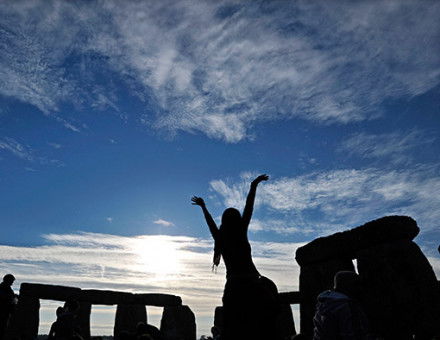
Give Me That Old Time Religion
Modern paganism is an invented tradition, says Tim Stanley. So why is the Church of England offering it a helping hand?
Modern paganism is an invented tradition, says Tim Stanley. So why is the Church of England offering it a helping hand?
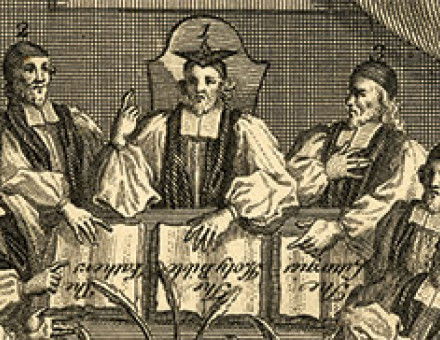
The relationship between religion and rationality was an intimate one in 17th-century England. Christopher J. Walker looks at the arguments and controversies of the time, which helped to forge a more open society.
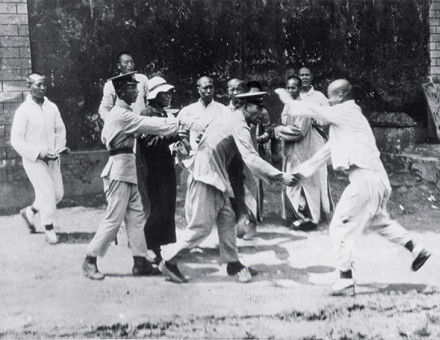
Roger Hudson tells the story behind a moment of violence in 1923 outside China's Forbidden City in Peking.
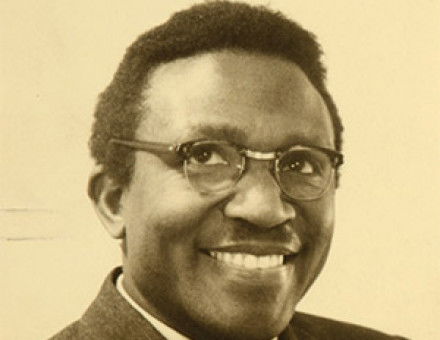
Large numbers of West Africans came to Britain to study in the postwar years. Many placed their children in the care of white, working-class families. Jordanna Bailkin describes how it was not just Britain’s diplomatic relationships that were transformed at the end of empire but also social and personal ones.

Albert Makinson assesses the rival party claims of Lancaster and York, which afforded the pretext for a blaze of plebeian discontent and patrician lawlessness that filled England for the next one hundred and fifty years with a profound horror of civil war genealogy of the ruling family, and fewer still in the principles of parliamentary democracy.
J.P. Kenyon profiles William III, of whom Hallam said: “It must ever be an honour to the English Crown that it has been worn by so great a man.”
Proud, turbulent, fiercely Catholic, the citizens of sixteenth-century Paris played an important part in French history. Here N.M. Sutherland depicts them at home against the background of their daily work and pleasures.
George Woodcock relates the story of French Canada, from Cartier's first voyage, to the death of Montcalm on the Plains of Abraham.
D.M. Nicol assesses Justinian's valiant attempt to restore the splendours of Imperial Rome, by turning back the clock to the days of Augustus, and making the Mediterranean once again a Roman lake, concluding it “was impractical and largely a failure. But it was a glorious failure."
S.G.F. Brandon poses the question: was Josephus, the famous Jewish historian of the first century A.D., an arch Quisling of the ancient world? He “could scarcely have given a worse impression of himself than that to be derived from the Jewish War,” whence he emerges as an unscrupulous opportunist whose conduct is rendered even more distasteful by a hypocritical profession of the highest motives.