
Bonnie Prince Charlie 'Will Come Again'
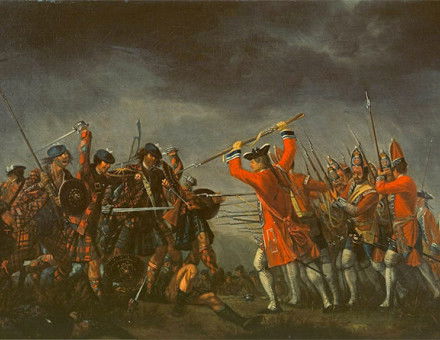
Jacqueline Riding examines how a 19th-century painting, created almost 150 years after the Jacobite defeat at Culloden, has come to dominate the iconography of that event.
Jacqueline Riding examines how a 19th-century painting, created almost 150 years after the Jacobite defeat at Culloden, has come to dominate the iconography of that event.
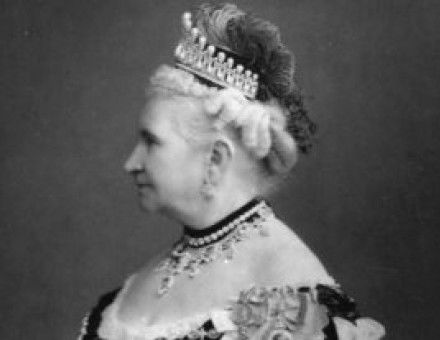
Michael Bloch tells the story of one of the more unusual dynasties related to the Windsors.

Berlusconi is a product of the country's incomplete unification, argues Alexander Lee.
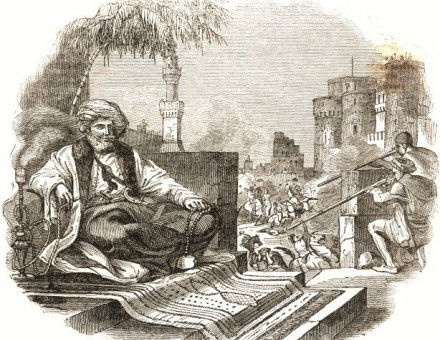
The Mamelukes were massacred in Cairo on March 1st, 1811.
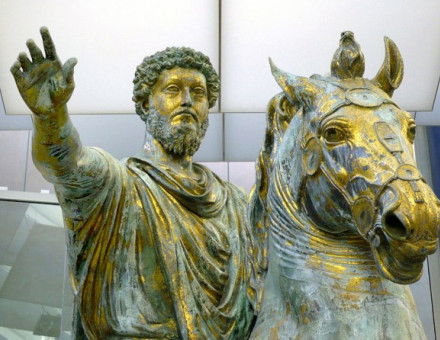
Richard Cavendish marks the anniversary of this great emperor's accession, on March 7th, AD 161.
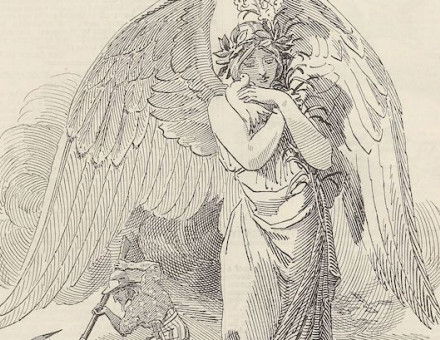
Held during a period of intense great power rivalry, the Hague Conference sought to prevent conflict but ended up rewriting the laws of war instead.
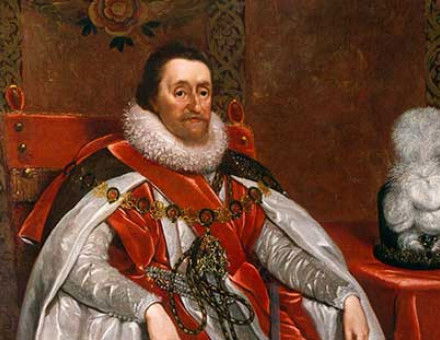
Despite their mutual loathing and suspicion, James I and his parliaments needed one another, as Andrew Thrush explains. The alternative, ultimately, was civil war.
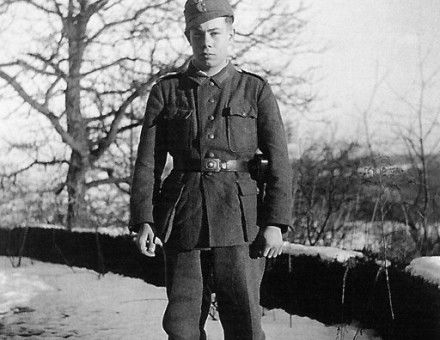
What was it like to grow up in Nazi Germany in a family quietly opposed to National Socialism? Giles Milton describes one boy’s experience.
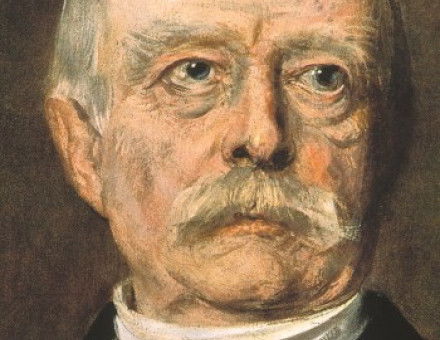
The creation of the modern unified German state in January 1871 constitutes the greatest diplomatic and political achievement of any leader of the last two centuries; but it was effected at a huge personal and political price, argues Jonathan Steinberg.
Decadent, effeminate, outdated, the image of the Cavalier remains that of his enemies, victorious in the Civil Wars. John Stubbs offers a rather more complex corrective view.