
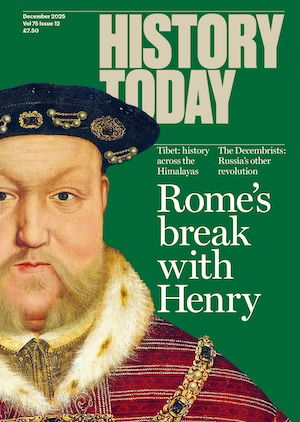

A failed coup in South Vietnam
Richard Cavendish remembers the attempted coup against the president of South Vietnam, Ngo Dinh Diem, in 1960.
Richard Cavendish remembers the attempted coup against the president of South Vietnam, Ngo Dinh Diem, in 1960.
The gulf between the religious ideals of US conservatives and those of the European Enlightenment is as wide as the Atlantic. Tim Stanley looks at the origins and the enduring legacy of the American revivalist tradition.
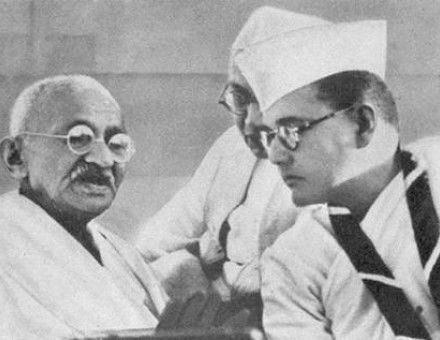
The intriguing death of an Indian holy man in 1985 suggested that he was none other than Subhas Chandra Bose, the revolutionary and nationalist who, it is officially claimed, died in an air crash in 1945. The truth, however, is harder to find, as Hugh Purcell discovers.
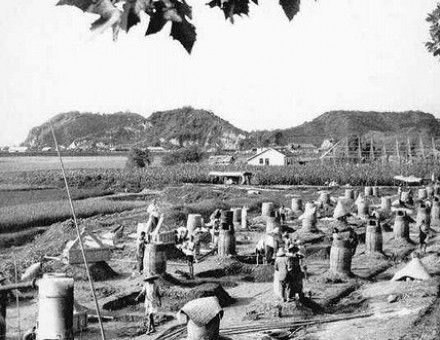
Frank Dikötter looks at how historians’ understanding of China has changed in recent years with the gradual opening of party archives that reveal the full horror of the Maoist era.
Painter of genius, gifted courtier and much-travelled man of the world, Rubens reached England in 1629, charged with the delicate task of furthering an entente between the Spanish government and Great Britain. C.V. Wedgwood shows how he enjoyed the conversation of his youthful host, whose fine aesthetic taste he shared, but shrewdly judged the weakness of King Charles I’s diplomacy.
Ben Sandell shows that grappling with the meaning of a key term can reveal much about the nature of conflict in 16th-century France.
Mark Rathbone looks at the Battle of the Widow McCormack’s Cabbage Garden and at what happened to those involved.
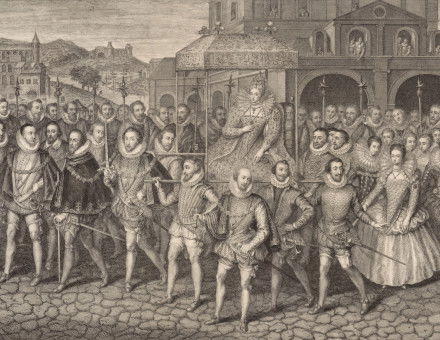
Retha Warnicke investigates one of the key questions of Tudor England: why did queen Elizabeth I never marry?
Graham Goodlad examines the changing role of the occupant of Number Ten in an era of significant political change.
Magnus Stenbock, the Swedish aristocrat and war hero, lived his life in pursuit of honour. Yet, as Andreas Marklund reveals, he died in disgrace, broken by the schemes of a cunning spy.