
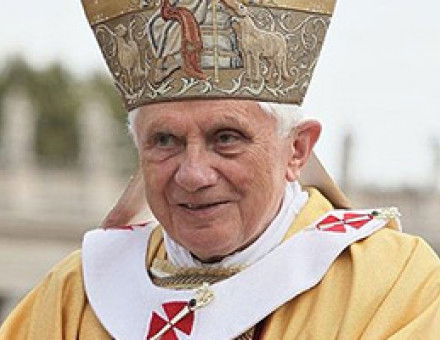
Pope Benedict XVI: A Good Resignation
The Pope’s resignation shows that the papacy is actually in a stronger position than it has been at any other point in its history, argues Alexander Lee.
The Pope’s resignation shows that the papacy is actually in a stronger position than it has been at any other point in its history, argues Alexander Lee.

L.F. Marks introduces Savonarola, dominant within the turbulence of Florentine politics of the 1490’s.
Stella Mary Pearce uses the example of the Renaissance to reflect on the links between interesting times and their fashions.
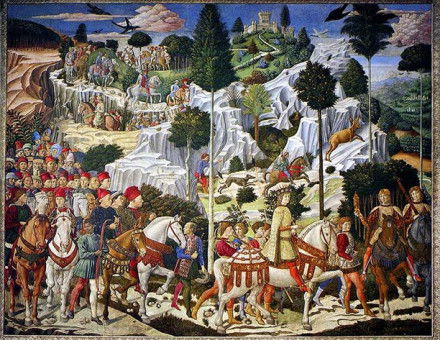
F.M. Godfrey sifts through diverse depictions of Italy's Renaissance family.
Elizabeth Wiskemann writes that Bentinck’s achievements as British Minister in Sicily, and inspirer of Italian resistance to Napoleon in the years 1811-1814, suggest interesting parallels with recent conflicts.
Sir Kenneth Clark discovers echoes of both ancient and modern in a true Renaissance man.
The Italian prince who boasted that the Pope was his chaplain, and the Emperor his condottiere, ended his days in 1508, forgotten in a foreign prison
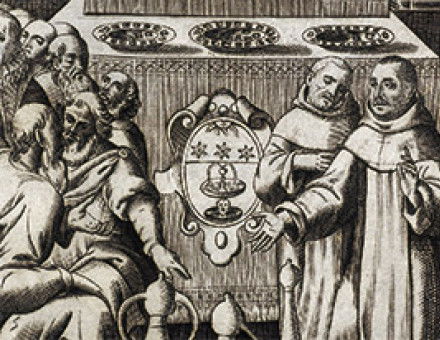
Jane Everson highlights the social networks of the Italian academies, the first of their kind in Renaissance Europe.
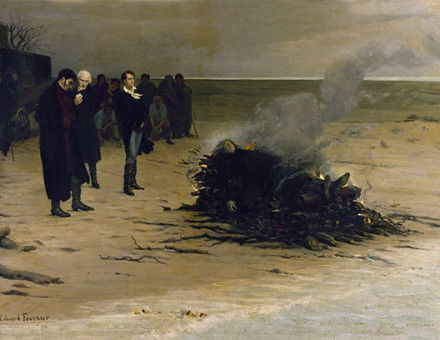
Christopher Winn recalls the death of Percy Bysshe Shelley, and other mysterious drownings.
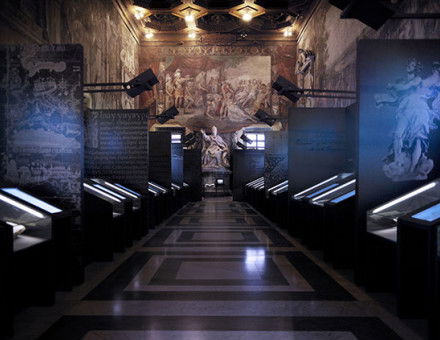
Ann Natanson visits an exhibition in Rome that highlights the papacy’s interaction with major figures of European history.