
Urban Culture and National Identity
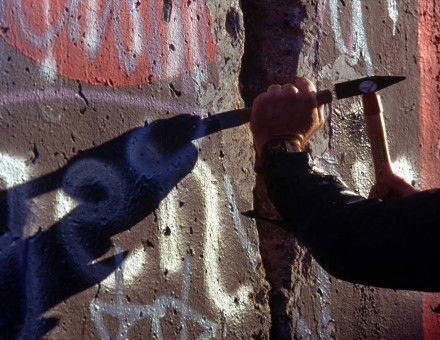
A letter from the editor on History Today's first special edition of the 1990s and its synergy with the recent fall of the Berlin Wall.
A letter from the editor on History Today's first special edition of the 1990s and its synergy with the recent fall of the Berlin Wall.
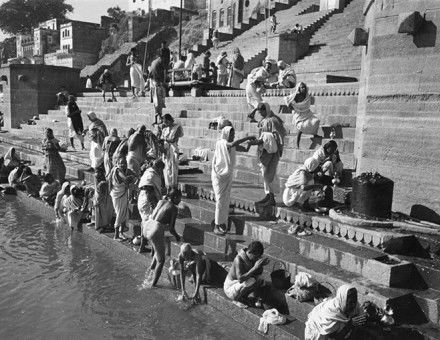
Long before the recent rise in Islamophobia, distrust of Hinduism was rife among Britain’s ruling class.
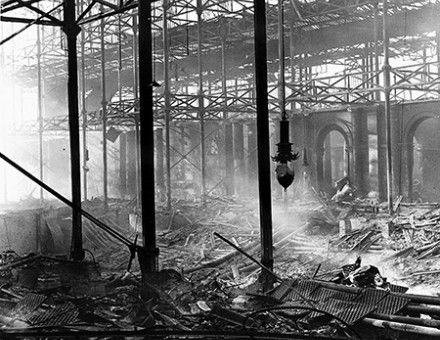
The Victorian masterpiece was burned to the ground on November 29th, 1936.
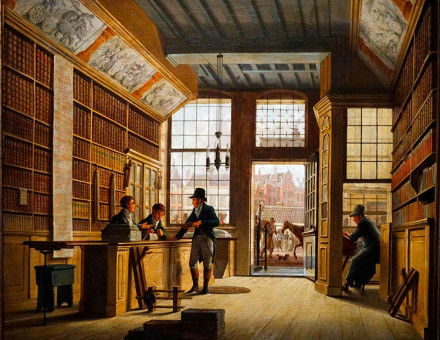
From early Latin literature to an obituary for the EU, ten historians recommend their best reads.
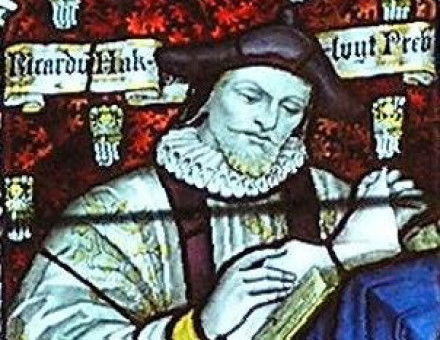
Richard Hakluyt was a major influence on what was to become the British Empire.
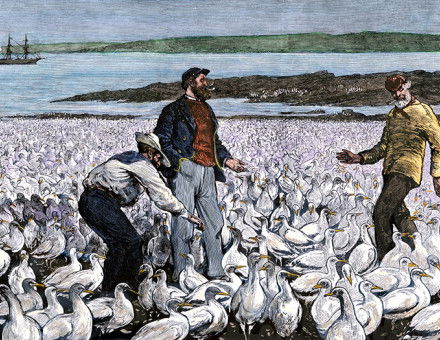
A tragic episode from the 19th century reveals the danger of an environmental quick fix.

The challenges of writing history for television are formidable. But if historians don’t get involved, they will cede ground to those less qualified, warns Suzannah Lipscomb.
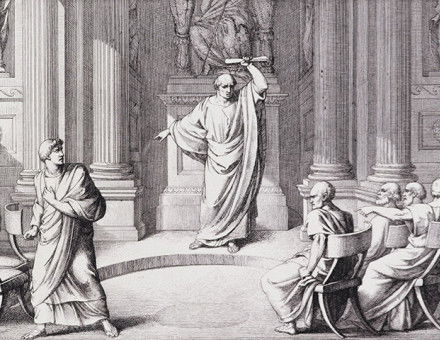
The relentless scramble for dubious parallels reveals worrying levels of historical illiteracy.
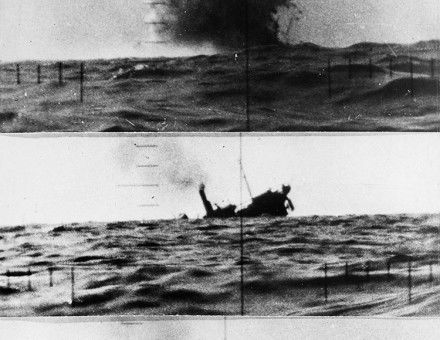
An island nation with few resources, Japan was in a precarious enough position when it declared war on the United States in December 1941. That its powerful navy failed to learn the lessons of previous conflicts made matters even worse.
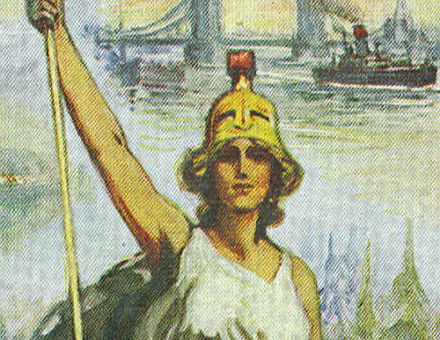
In the popular imagination, the archetypal British imperialist is the kind of daring young adventurer portrayed in the stories of Rider Haggard and Rudyard Kipling. But, reveals Will Jackson, those who settled the Empire were far more diverse than stereotypes allow.