
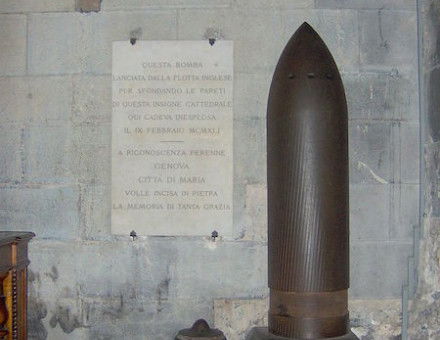
The First Dambusters
On its 75th anniversary, Philip Weir remembers Britain’s first attempt to smash a major hydroelectric dam: the bombardment of Genoa in 1941.
On its 75th anniversary, Philip Weir remembers Britain’s first attempt to smash a major hydroelectric dam: the bombardment of Genoa in 1941.
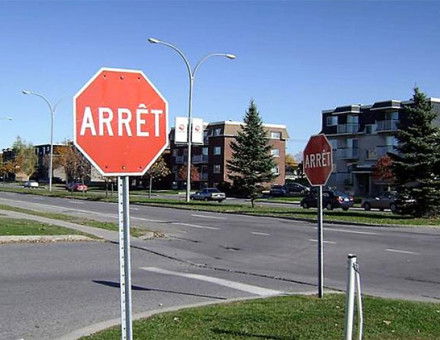
The way we spell words seems integral to our identity. But spelling is neither fixed nor permanent, and we have a long history of attempts to reform it – some more successful than others.
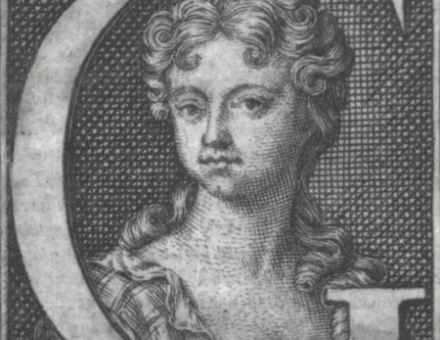
In the 18th century, when women in scholarship were not encouraged and medieval languages were little-studied even by men, Elizabeth Elstob become a pioneer in Anglo-Saxon studies, her work even finding its way into the hands of Thomas Jefferson.
Can we decontaminate Mein Kampf by ‘framing’ it in historical scholarship?
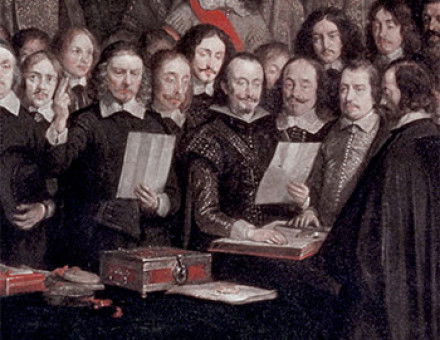
Historians need to dispel the myths that have grown up around the Peace of Westphalia.
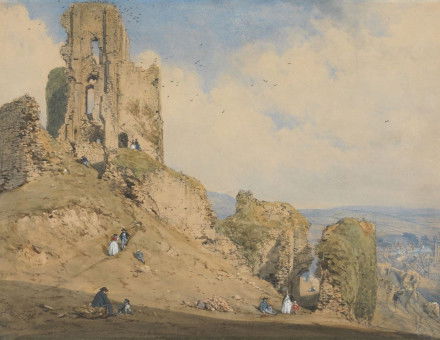
One of King John's most detestable crimes – the starving to death of 22 knights at Corfe Castle – has been surprisingly overlooked by historians.
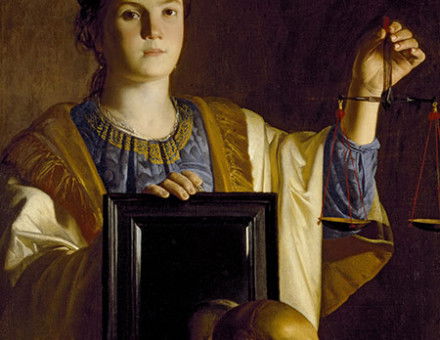
The public expects historians to deliver authoritative accounts of the past, yet different conclusions can be drawn from the same sources.
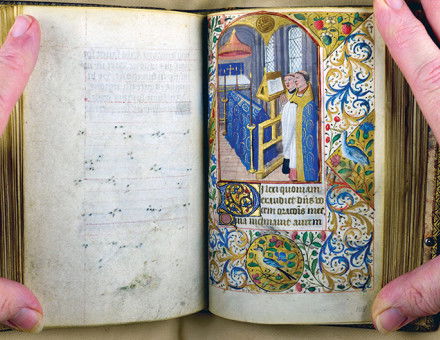
What do pilgrim badges tell us about emotion in the Middle Ages?
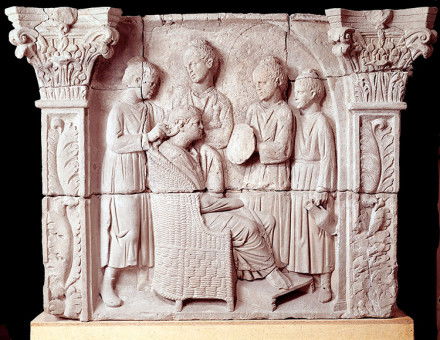
Evidence of make-up and beauty treatments reveal the daily nuances of Roman life.
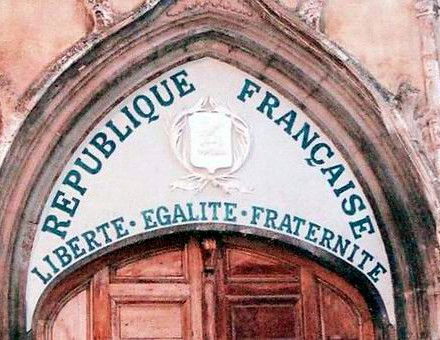
Although it once represented the victory of anti-clerical republicanism, laïcité has come to mean something very different.