
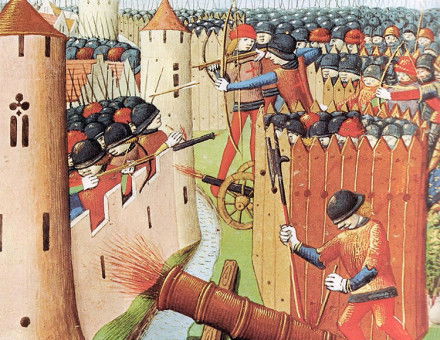
The Spoils of Battle
Men took up arms for many reasons during the Hundred Years War. In the wake of new research into soldiers’ lives, Nicholas Gribit reveals how the promise of fortune was as big a draw as any.
Men took up arms for many reasons during the Hundred Years War. In the wake of new research into soldiers’ lives, Nicholas Gribit reveals how the promise of fortune was as big a draw as any.
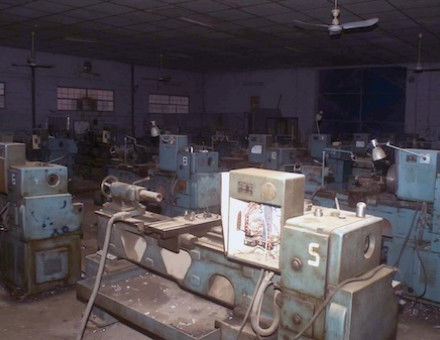
Saddam Hussein certainly had chemical weapons during the Iran-Iraq War, yet by the time American and British troops entered the country in 2003, they were gone. Where?
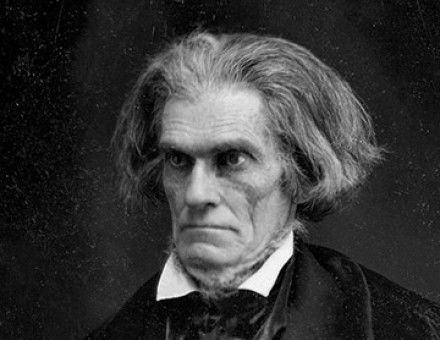
As Donald Trump and Hillary Clinton choose their VP candidates, some cautionary tales of just what could go wrong.
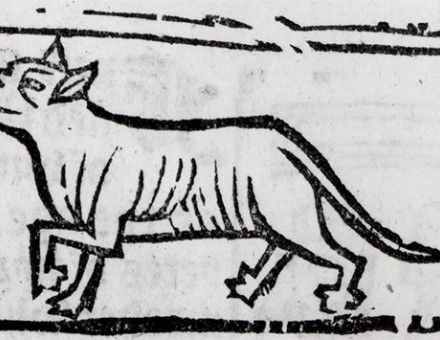
While 16th- and 17th-century English pamphleteers portrayed those accused of witchcraft as impoverished and elderly, court records suggest that it was just as likely to be powerful women who stood trial.
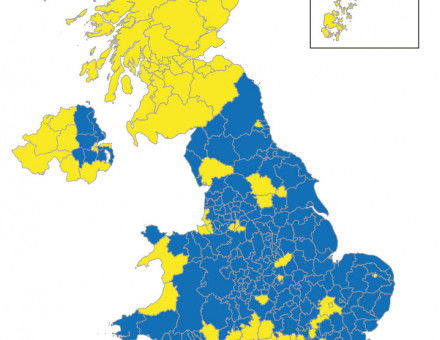
A more nuanced conversation among historians of multiple perspectives might have improved the level of debate.
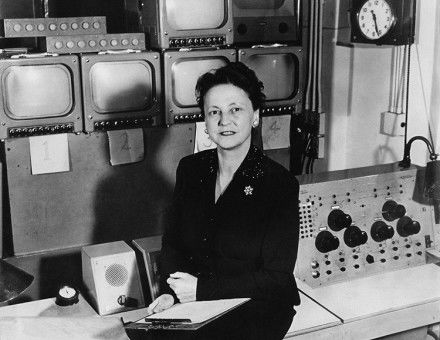
What role was the BBC to play if the cold war became hot? For the first time, the corporation has given detailed access to its plans for a Wartime Broadcasting Service following a nuclear attack. Paul Reynolds reveals its secrets.
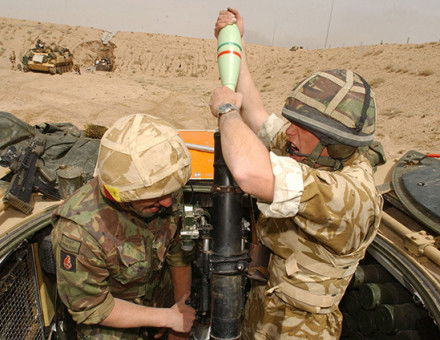
As the Chilcot Inquiry is published, John Sabapathy asks why, historically, we want inquests to mete out justice and hold guilty parties to account.
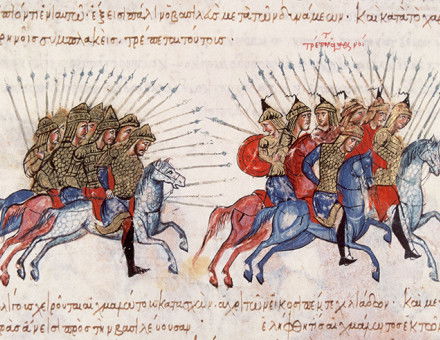
The United States should heed the lessons of 1,000 years ago, if it is to sustain its military superiority.
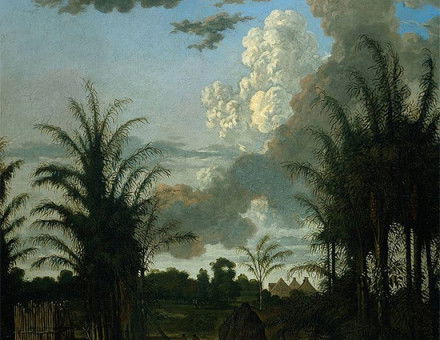
The short-lived colony of Willoughbyland, in what is now Suriname, was both verdant and dangerous. In the end, it was exchanged for New York.
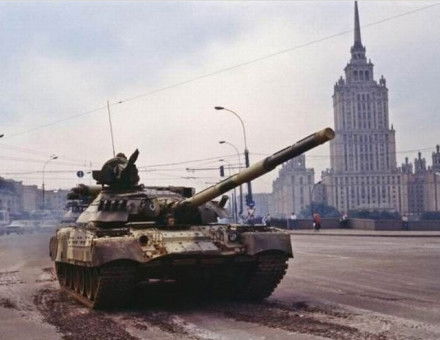
What, if anything, does the possible breakup of post-referendum Britain have in common with the political crisis that led to the disintegration of the Soviet Union?