
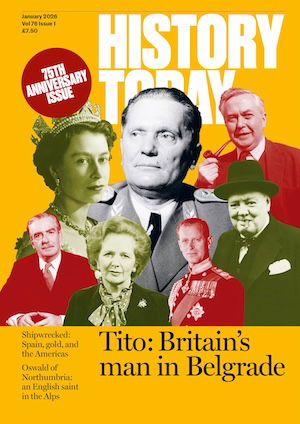
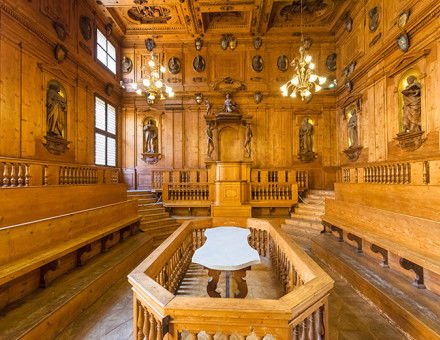
The Star is the Corpse
The dissection theatres of 17th-century Europe were tourist hot spots, spectacles that mixed medicine with art.
The dissection theatres of 17th-century Europe were tourist hot spots, spectacles that mixed medicine with art.
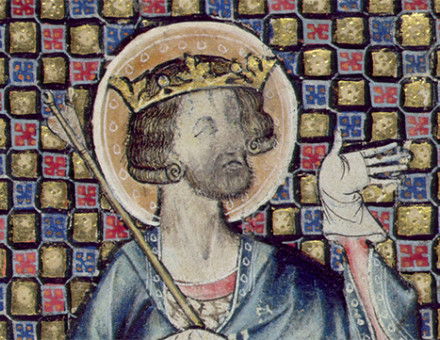
The idea of public history, in which academics seek to address a wider audience, is considered to be a modern one, but, discovers Eleanor Parker, a form of it was practised during the Middle Ages.
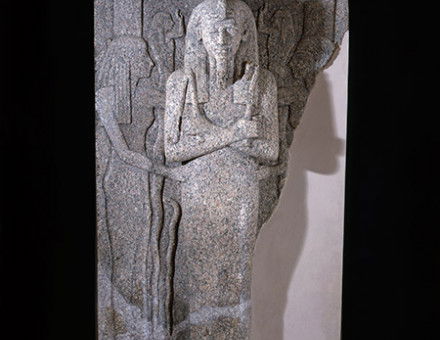
The Fitzwilliam Museum houses an extraordinary collection and has a lustrous reputation. It also has an intriguing history.
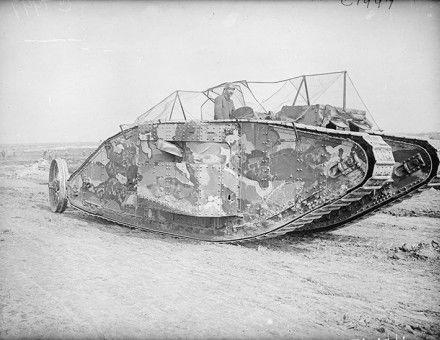
The first day of the Somme has become synonymous with incompetent leadership and a callous disregard for human life. Gary Sheffield offers a more complex picture of the battle and the role played by General Sir Douglas Haig.
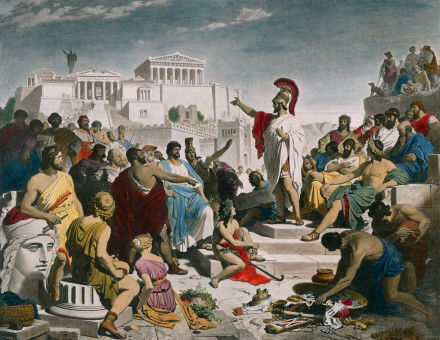
It comes in many forms and often disappoints, yet democracy has come to be regarded as the most desirable of all political systems. Paul Cartledge offers a guide to its roots in ancient Greece and reminds us of its long absence in the West.
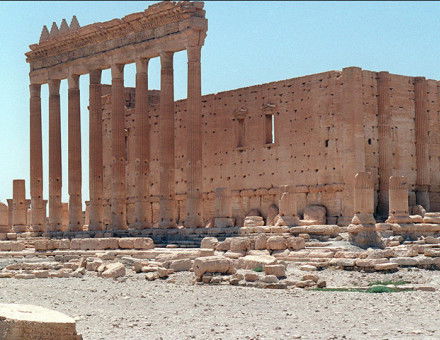
The desert city of Palmyra, ravaged recently by ISIS, held a key position on the Silk Route, connecting the Chinese, Persian and Roman Empires. Raoul McLaughlin describes how a remote caravan settlement assumed a leading role in international affairs, generating enormous wealth.
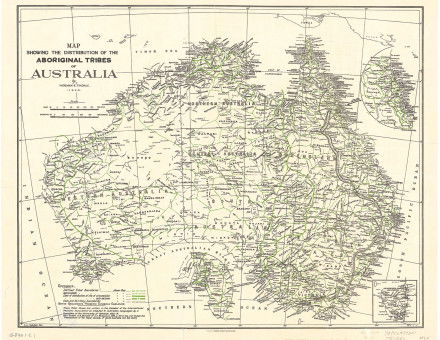
Kate Wiles introduces a map highlighting the diversity of indigenous tribes that was in danger of being lost.
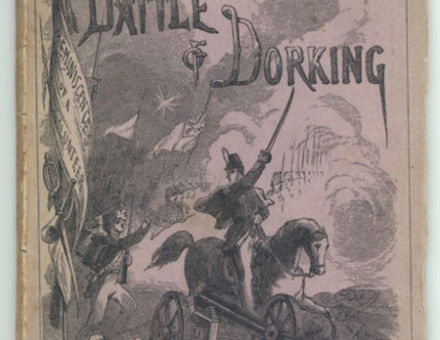
A recent book warns that current events will lead to war between NATO and Russia. It follows in a long tradition of military writers prophesying that weakness at home will lead to invasion and war.
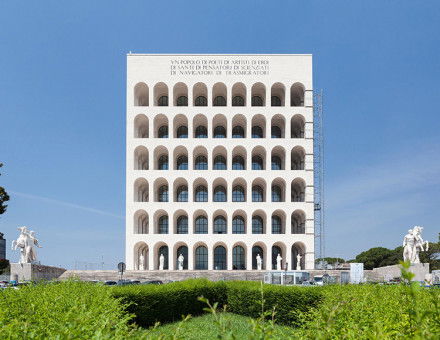
Though many writers, film-makers and other artists found it difficult to work in Fascist Italy, modernist architecture flourished under the less than watchful gaze of Mussolini.
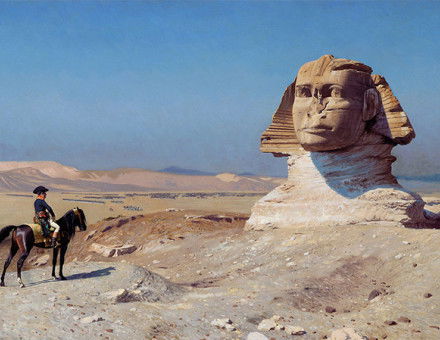
In April 2002, Robert Knecht wrote an article about his quest to find Napoleonic treasure. Now, suspecting the letter which prompted it might be a hoax, he revisits the evidence.