
A Case of Double Standards
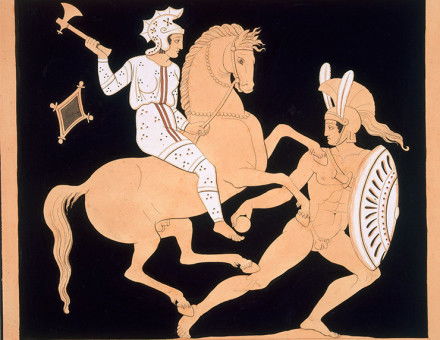
Despite progress since the 1970s, female historians are still treated unfairly both inside and outside the academy. Things must change, says Suzannah Lipscomb.
Despite progress since the 1970s, female historians are still treated unfairly both inside and outside the academy. Things must change, says Suzannah Lipscomb.
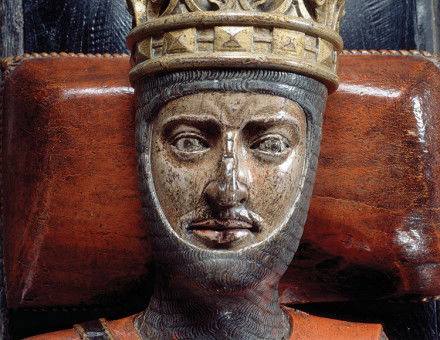
Two conquests of England in quick succession led to a period of shifting identities and allegiances. Courtnay Konshuh and Ryan Lavelle explore how those on the losing side of history tried to forge a place in a new world under new lords.
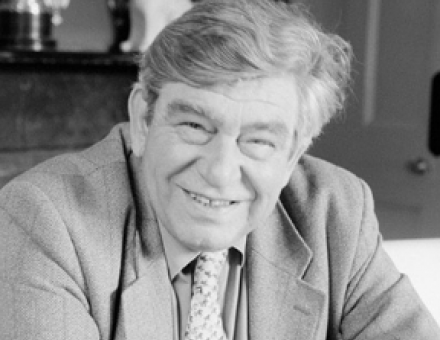
An appreciation of the great historian of the Crusades.
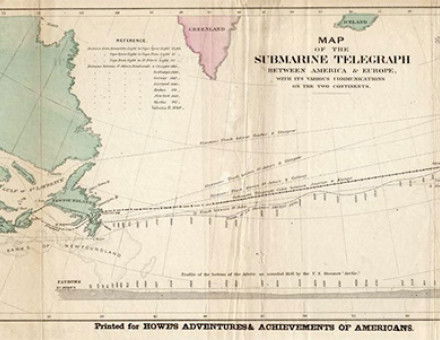
The transatlantic cables built in the mid-19th century shrank time and space.
In the 11th century, England experienced two invasions which changed the shape of the nation forever.
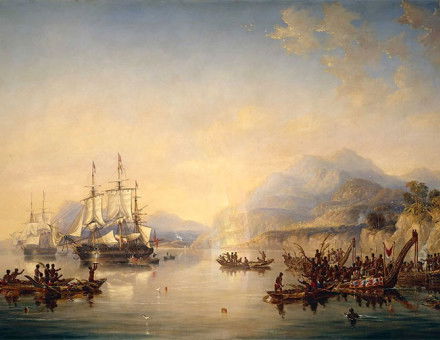
The recent discovery of a long-lost ship throws new light on a strange disappearance.
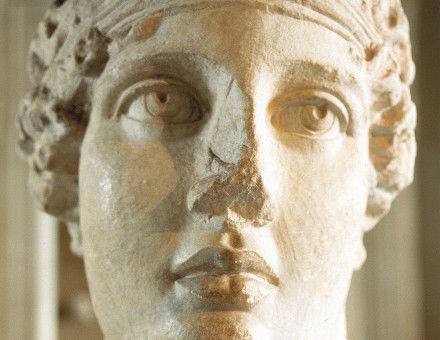
The survival of a recently discovered song by the early Greek poet is little short of a miracle, says David Gribble. How was it discovered and what does it add to our picture of a complex and elusive figure?
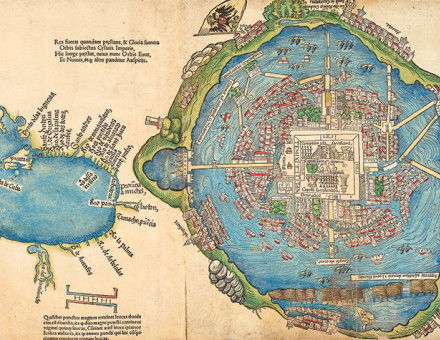
Kate Wiles provides context for the first European image of the Aztec capital, razed by the Spanish in 1521.
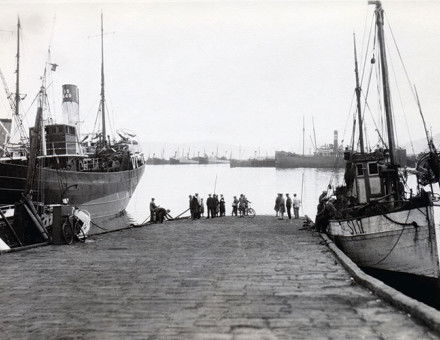
In this round-up of historical fiction: Thomas Hardy’s housemaid, an Icelandic boy witnesses the 1918 Spanish flu epidemic and a young Englishwoman in revolutionary Paris.
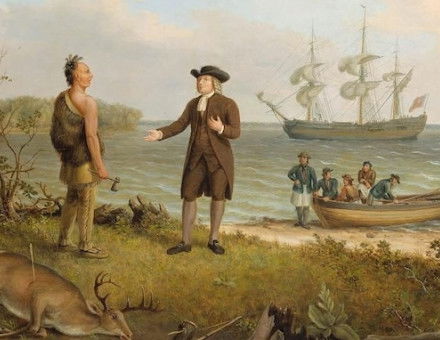
Long before today’s project for a European political and economic union, William Penn, the English founder of Pennsylvania, offered a utopian vision of a Europe beyond the nation-state.