
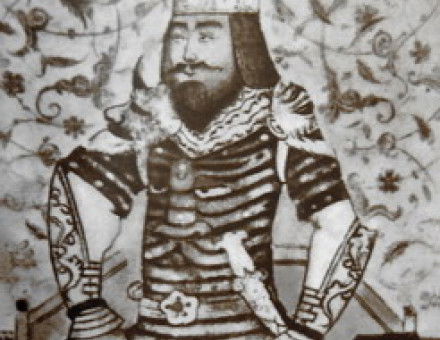
'Tamburlaine,' the Great Emir
The exploits of Tamburlaine, or Timur the Tartar, inspired the composition of one of the great English blank verse tragedies. But Marlowe’s fantastic personage scarcely outdid the fourteenth-century conqueror.
The exploits of Tamburlaine, or Timur the Tartar, inspired the composition of one of the great English blank verse tragedies. But Marlowe’s fantastic personage scarcely outdid the fourteenth-century conqueror.
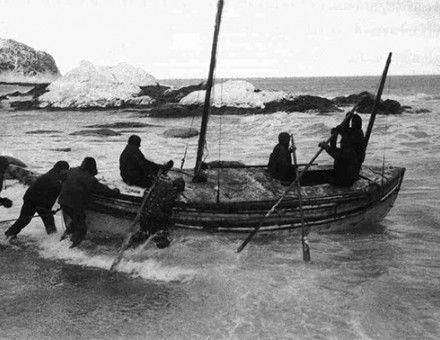
The great explorer’s skill and courage rescued a whole expedition from disaster after a struggle that lasted nearly two years. ‘Not histrionics but steady and constant leadership saved Shackleton and his men’.
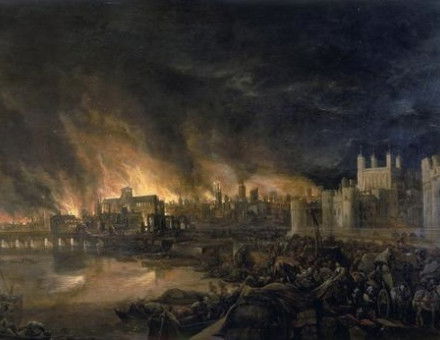
A contemporary account of life in Restoration London and Oxford by William Taswell, spanning the years 1660 until circa 1675. Includes personal obervations of the Plague and the Great Fire. Originally featured in the December 1977 issue of History Today.
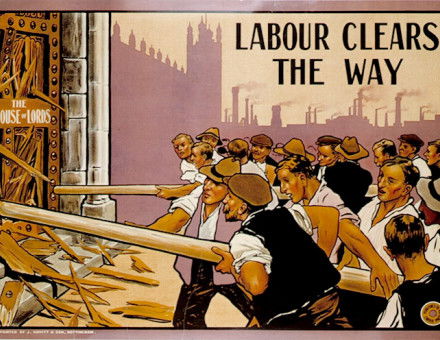
Party strategists are no new phenomenon, Dominic Wring says; the Labour Party has always been concerned with marketing its brand image.

Mark Bryant sketches the brief life of one of 18th-century London’s most prodigious and daring draughtsmen.
More than two decades ago, Adam Zamoyski wrote a history of the Poles and their culture. As a major revision of the work is published, he reflects on the nation’s change in fortune.
Roland Quinault looks at how the Victorians saw the old English system of trial by jury as a defining feature of British good government and fair play and as an example to other nations. Admiration for the system at home and abroad, though, contrasted with the practical realities faced by 19th-century juries.
A subject and servant of Europe’s most cosmopolitan empire, the composer Joseph Haydn played an important role in the emergence of German cultural nationalism during the 18th and 19th centuries, writes Tim Blanning.
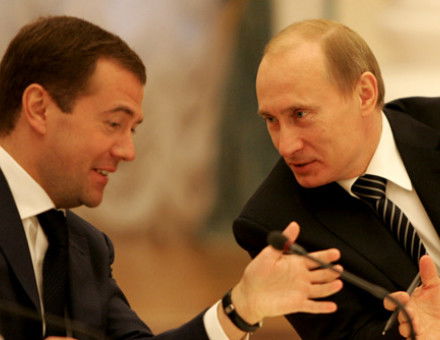
Past experiments with liberal democracy have led Russia to the brink of civil war, economic collapse and the plunder of state resources. Daniel Beer explains why most Russians feel happier with a strongman firmly in control.
On the eve of the Second World War, the navies of Italy, France and Britain plotted for supremacy in the Mediterranean. Their actions resulted in the fracturing of the sea’s age-old unity, with consequences that persist to this day. Simon Ball explains how the ‘Middle Sea’ became the Middle East.