
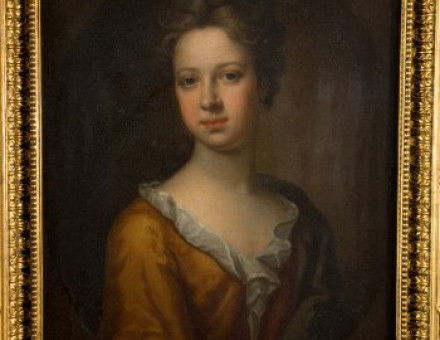
Elizabeth Tollet and her Scientific Sisters
Patricia Fara recounts the moving story of a gifted contemporary of Isaac Newton who came to symbolise the frustrations of generations of female scientists denied the chance to fulfil their talents.
Patricia Fara recounts the moving story of a gifted contemporary of Isaac Newton who came to symbolise the frustrations of generations of female scientists denied the chance to fulfil their talents.
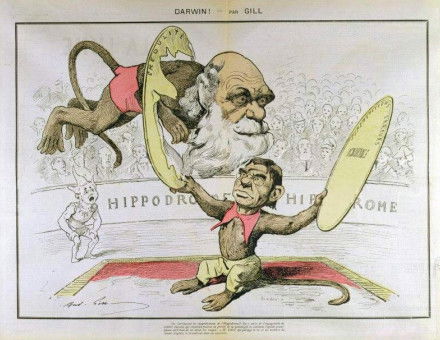
The d'Artagnan du Crayon fearlessly lampooned the French rulers of his day in a series of masterly caricatures that would later inspire the creators of Spitting Image and many others.

A history of the country’s love affair with the cherry blossom.

The Imperial War Museum has appointed its first female Director Diane Lees. Juliet Gardiner asks her about her vision for the museum, both in London and at its various outposts around the country.
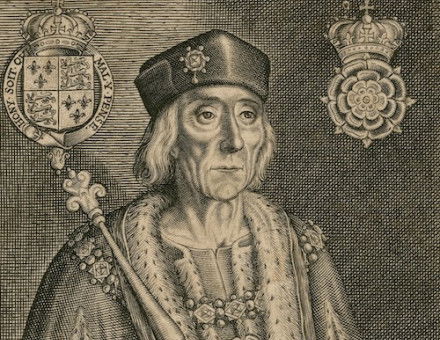
Henry Tudor invoked providence to gain his throne in 1485, but it was skilful use of heraldic and religious imagery, as well as promotion of the cult of Henry VI that ensured he retained it.
The role of exiled Czech cartoonists in Britain during the Second World War is often overlooked, writes Mark Bryant.
In 1947, as Zionist insurgents wreaked havoc, British special forces in Palestine adopted counterinsurgency tactics that attracted worldwide condemnation. David Cesarani discusses a scandal whose ramifications persist to this day.
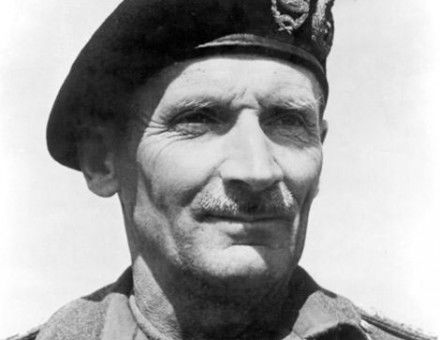
With a solution to the conflict between Israel and the Palestinians as far away as ever, James Barker looks back to Britain’s occupation of the region and the efforts made by the future Viscount Montgomery to impose peace on its warring peoples.
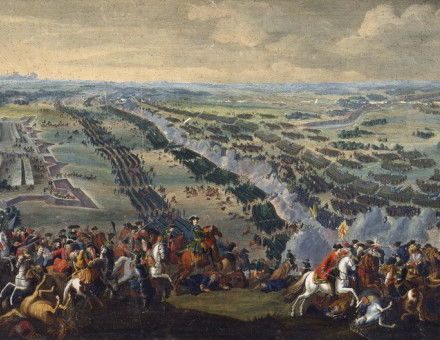
In 1709 Russia emerged as a major power after a clash of armies in Ukraine. Peter the Great’s victory, Derek Wilson argues, had repercussions that last to this day.