
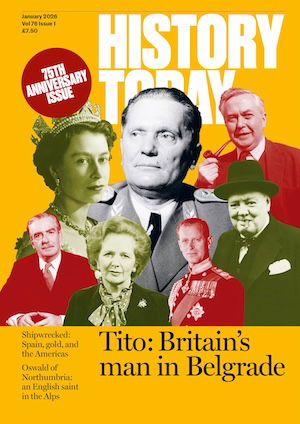

The Centenary of Churchill
John Colville's personal appreciation of Sir Winston’s work and character
John Colville's personal appreciation of Sir Winston’s work and character
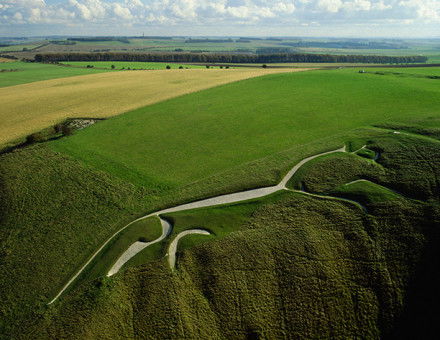
The English aversion to eating horse flesh, recently highlighted in a number of food scandals, dates back to the coming of Christianity, as Jordan Claridge explains.
F.E. Halliday finds that every age, from the first Elizabethan to the present one, has evolved its own methods of producing Shakespeare; sometimes with results that might have surprised the dramatist.
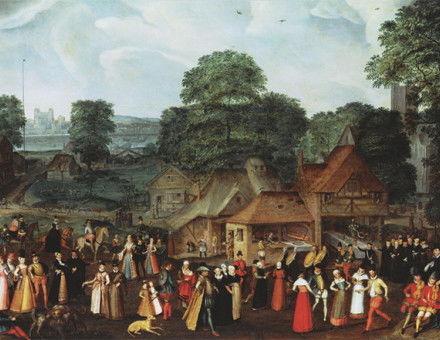
Shakespeare was born into an England rejoicing in the peace and prospects of a new reign, but anxious about the future, writes Joel Hurstfield.
A solid middle-class clan who exported English wool to foreign markets, the Celys have left behind them a graphic record of their private affairs and shrewd commercial dealings, as Alison Hanham here finds.
John Carswell introduces George Bubb Dodington; a man of pleasure; an indefatigable careerist; and an industrious and successful politician.
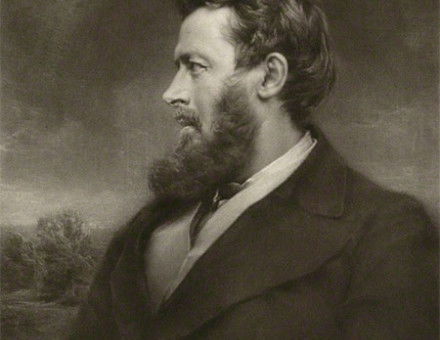
Banker, economist, editor and critic, Bagehot “was the antithesis of the grand Victorian man of letters.”
These letters, written between 1797 and 1815, are part of a series from Maria Josepha Stanley to her father Lord Sheffield. At the beginning of the period Maria Josepha had been married six months, and was living in Newcastle-upon-Tyne where her husband, a Captain in the Cheshire Militia, had been posted with his regiment to resist any attempted invasion by the forces of the Directorate. Edited by Lord Stanley of Alderley.
J. Hurstfield analyses social conditions in the Elizabethan age.
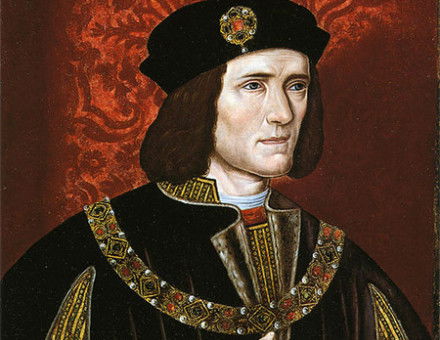
Shakespeare’s enormous influence in shaping subsequent concepts of 15th-century England is nowhere better illustrated than in the case of the character of Richard III.