
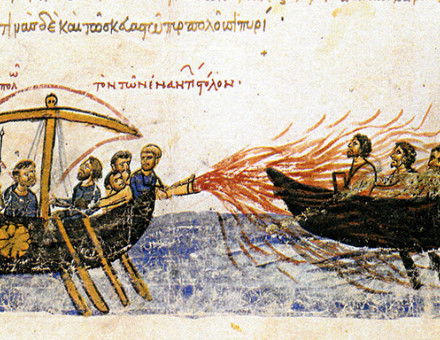
Greek Fire in the West
Towards the end of the twelfth century, writes Jim Bradbury, Greek Fire, which the Byzantines had long used, was first employed in Western Europe.
Towards the end of the twelfth century, writes Jim Bradbury, Greek Fire, which the Byzantines had long used, was first employed in Western Europe.

The author of the History of My Own Time was both a keen churchman and a compulsive writer. Mary Delorme describes how Burnet's style, whether graphic, humorous or pompous, was usually as free and expansive as the historian himself.
Margaret Wade Labarge profiles the fifteenth-century Flemish Ambassador and pilgrim.
During the Victorian Age, writes Courtney Dainton, when many social reformers came from the upper classes, Smith was a philanthropist who had himself experienced the hardships of the very poor.
Maurice Ashley profiles the younger George Goring, one of the more successful of Cavalier generals, but one whose brave deeds and eclectic character have been little discussed.
James Edward Oglethorpe obtained a charter for the founding of Georgia in 1732. Courtney Dainton describes how the English social reformer spent three terms as chief administrator of the colony and lived long enough to see American independence.
‘England’s loss was the United States’ gain’, writes William Noblett, when the fiery eighteenth century radical Joseph Gales established a prosperous foothold in the New World.
Stephen Usherwood recounts the lively reports sent from the goldfields of Yukon by Flora Shaw, the British journalist and writer, which began to appear in English newspapers in August 1898.
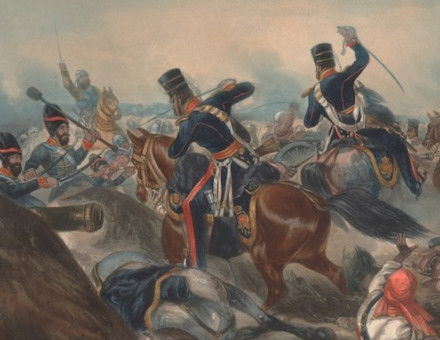
The Sikh Empire was the last strong Indian military power standing against Britain’s East India Company.
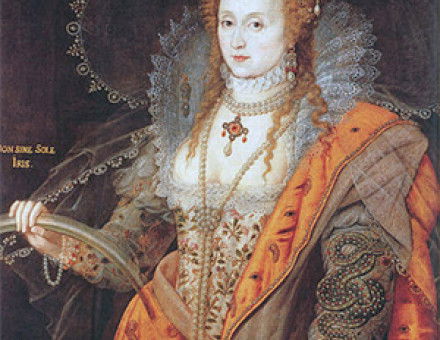
Susan C. Shapiro describes how a struggle for women’s liberation began about 1580 and continued in Jacobean years.