
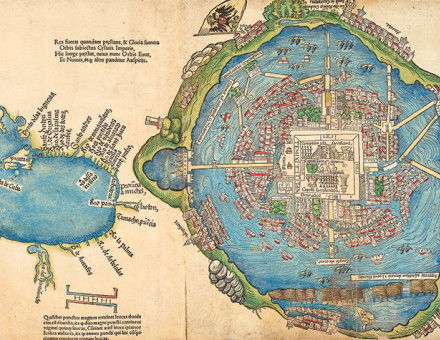
The Map: Tenochtitlan, 1524
Kate Wiles provides context for the first European image of the Aztec capital, razed by the Spanish in 1521.
Kate Wiles provides context for the first European image of the Aztec capital, razed by the Spanish in 1521.
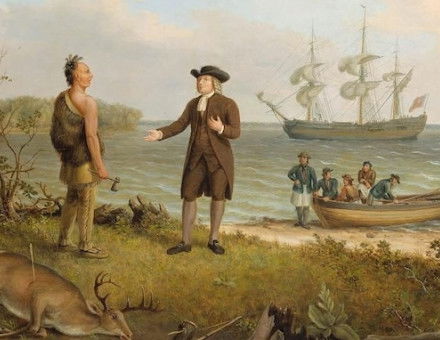
Long before today’s project for a European political and economic union, William Penn, the English founder of Pennsylvania, offered a utopian vision of a Europe beyond the nation-state.
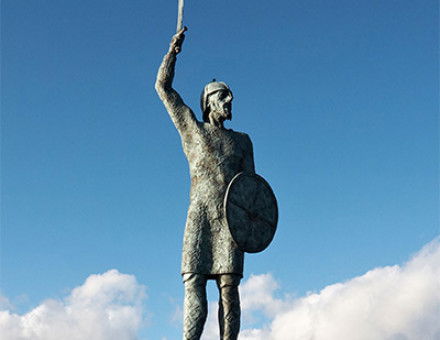
History is not only written by the victors. Those chronicling the 11th-century conquests in England and Scandinavia tried to rehabilitate the reputations of Byrhtnoth, Harald Hardrada, and others.
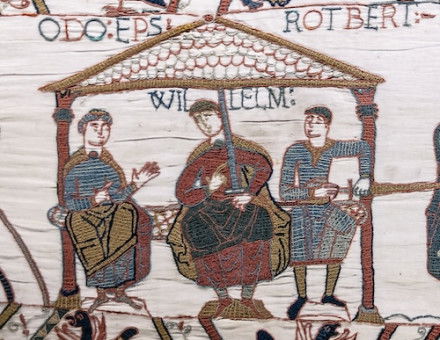
In the popular imagination, William the Conqueror is, without doubt, the villain, yet the sources we have for his life are ambivalent.
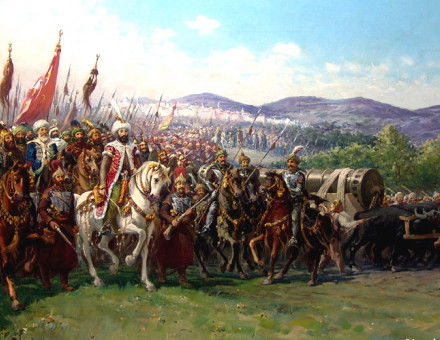
Over the last 30 years, western ideas about the Ottoman Empire have been transformed, just as Turkish attitudes towards the West have become increasingly negative, writes Erik Zurcher.
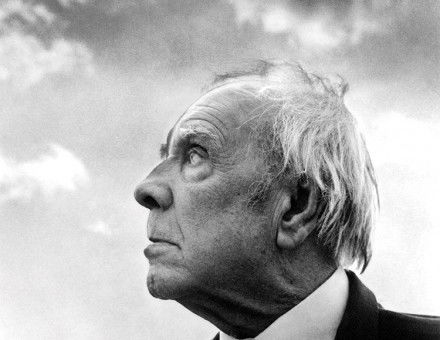
Is reality simply a collection of unconnected moments and impressions? If so, what does it mean for our understanding of the past? For one Argentine writer, fiction was the perfect place to explore such questions.
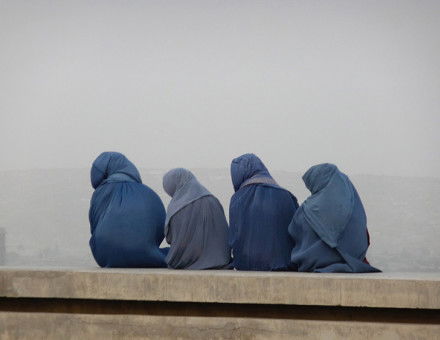
The Islamic world produced some of the greatest minds of the Middle Ages, including a number of remarkable female scholars. Arezou Azad examines who these women were and why their place in history has been neglected.
Bangladesh was born of civil war in 1971. The former East Pakistan has wrangled with issues of religion, secularism and democracy ever since.
As the search for lost medieval kings continues, interest in them seems stronger than ever. But a warning from the past speaks of their – and our – ruin.
Did the idea of nuclear war make Britain’s wartime leader more God-fearing?