


Abortion and the Church in 17th-Century Scotland
When an unmarried servant returned home pregnant in the 17th century, women in her community helped her ‘part with child’ – risking the wrath of the Scottish Presbyterian Church.
When an unmarried servant returned home pregnant in the 17th century, women in her community helped her ‘part with child’ – risking the wrath of the Scottish Presbyterian Church.

To justify the 13th-century Albigensian Crusade, waged against heretics in the south of France, its champions painted Toulouse as Sodom and Gomorrah reborn.

For much of its modern history state lotteries were seen as antithetical to Britain’s moral values. The introduction of the Premium Savings Bond in 1956 was a major shift in government policy. What had caused it?
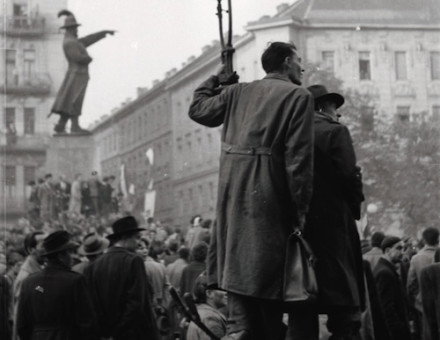
In late 1956 hundreds of thousands of Hungarians joined an uprising against the country’s Moscow-oriented government. 70 years on, the revolution’s meaning is still unclear.

Incognito investigative journalism was a Victorian invention. What explained its overnight success?

Is the soul immortal, or does it die with the body? At the turn of the 18th century, amateur theologians like Henry Layton began to speculate, much to experts’ chagrin.

In 1938 a sensational spy trial exposed a Nazi plot to seduce and blackmail US officers. Despite America’s technological might, counterintelligence had been slow on the uptake.

The Carolingian Empire was consolidated by one of Europe’s most celebrated kings, but Charlemagne’s death meant that decline was inevitable.

Before the Spanish conquest, the history of the Aztec Empire was recorded orally and with hieroglyphs. In danger of being lost or forgotten, Indigenous historians began to write it down.

Emperor Hirohito’s tour of Europe in 1971 made it painfully clear that the wounds of the Second World War had not healed.