

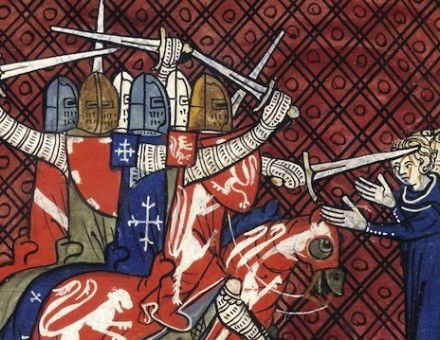
Hunting Heretics: Inside the Medieval Inquisition
More than 5,000 people were interviewed during the Great Inquisition of medieval Toulouse. What did this mean for those ordinary people called to give evidence?
More than 5,000 people were interviewed during the Great Inquisition of medieval Toulouse. What did this mean for those ordinary people called to give evidence?
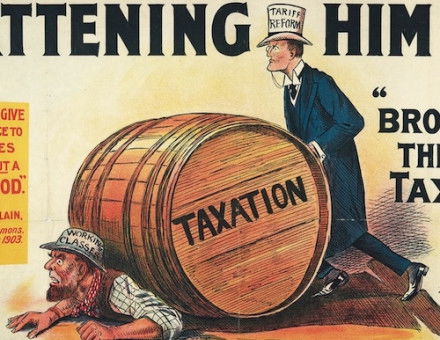
In 1903 a group of politicians tried to sell tariffs as a panacea to all of Britain’s problems. Would the public buy it?
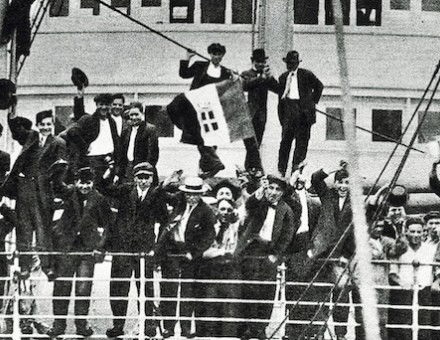
Italy’s entry into the Great War in 1915 prompted 300,000 men to return to their homeland to join the fight. Were they Italian enough for Italy?
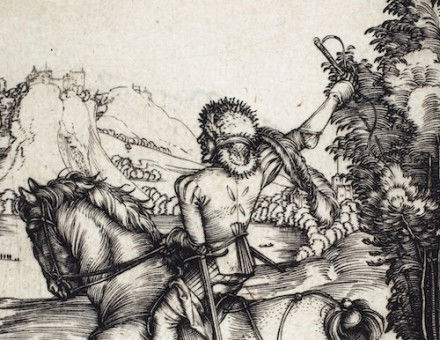
How did Western Europe learn of the fall of Constantinople, the loss of Negroponte, and the Ottoman defeat at Lepanto? In the early modern era all news was slow news.
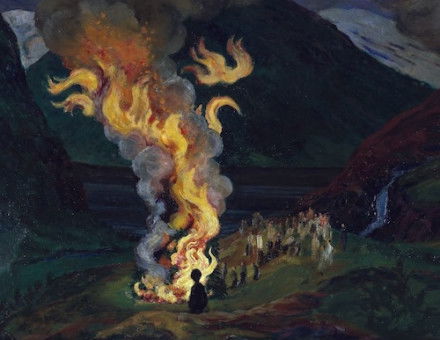
By the 14th century Christianity had swept many of Europe’s indigenous religions aside, but not all. At the continent’s peripheries paganism survived and, in some cases, thrived.
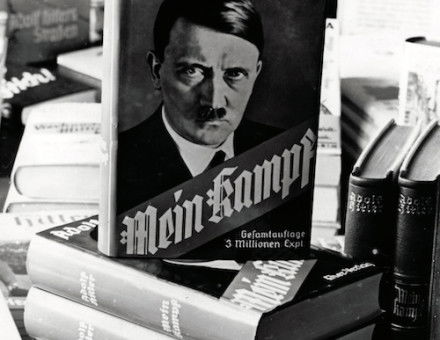
A huge bestseller and undisputed guide to the Nazi worldview, did Germans actually read Mein Kampf?
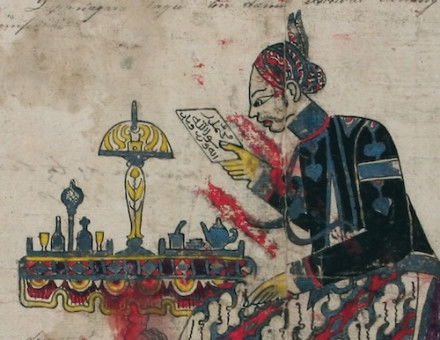
In 1825 Java’s old order rose up against encroaching European colonialism. What – and who – were the Java War’s rebels fighting for?
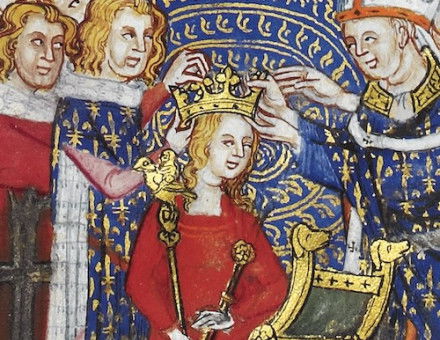
Queenship was transformed in the early Middle Ages, as power came to be derived not just from marriage, but from God.
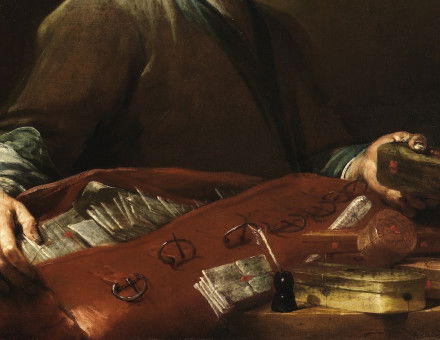
In the febrile political climate of early modern Europe, letters – and the information they contained – were dangerous. Notorious ‘black chambers’ turned postmasters into spies.
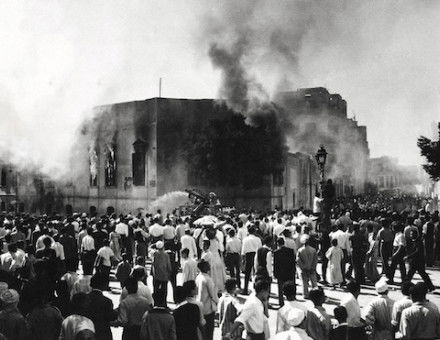
As Nasser moved to nationalise the Suez Canal in 1956, Egypt’s Muslim Brotherhood was forced to choose between faith and freedom.