

Lost Pioneers of Science
Medieval scholars were the first to make the connection between maths and science and anticipated the discovery of inertia long before Newton. So why have their discoveries been forgotten, asks James Hannam.
Medieval scholars were the first to make the connection between maths and science and anticipated the discovery of inertia long before Newton. So why have their discoveries been forgotten, asks James Hannam.
Sedition could cost you your life in Tudor England, but by the 18th century the monarch was fair game, writes David Cressy.
Opera has flourished in the United States. But how did this supposedly ‘elite’ art form become so deep-rooted in a nation devoted to popular culture and dedicated to the proposition that all men are created equal? Daniel Snowman explains.
In the years leading up to the Second World War, France was riven by political division as extremes of left and right vied for power. Annette Finley-Croswhite and Gayle K. Brunelle tell the tragic and mysterious story of Laetitia Toureaux, a young woman swept up in the violent passions of the time.
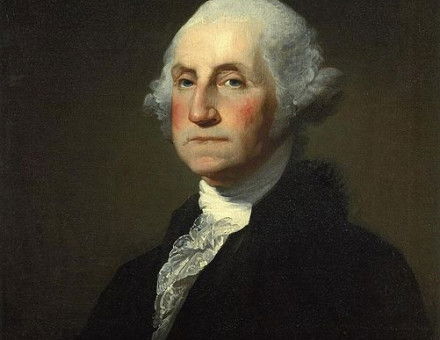
A distant monarch, political factionalism, vainglorious commanders and the distraction of European enemies helped George Washington seal victory in the American War of Independence, writes Kenneth Baker, who explores the conflict through caricature and print.
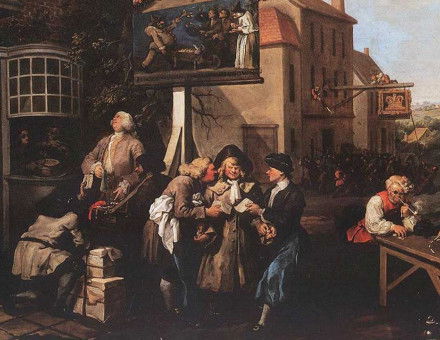
The recent scandal over MPs’ expenses would not have raised an eyebrow in the 18th century when bribery was rife and rigged elections common. Trevor Fisher looks into that system and the slow path to reform.
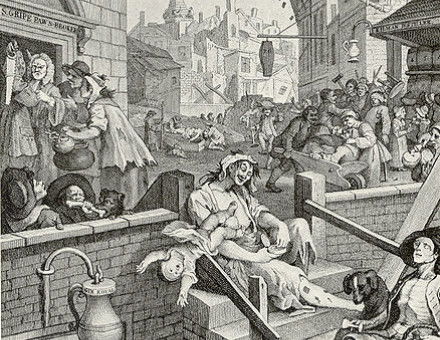
Britain has had a long and sometimes problematic relationship with alcohol. James Nicholls looks back over five centuries to examine the many, often unsuccessful, attempts to reform the nation’s drinking habits.
The writer and director Stephen Poliakoff talks to Charlotte Crow about how his view of the recent past has informed his new film, Glorious 39, a historical thriller.
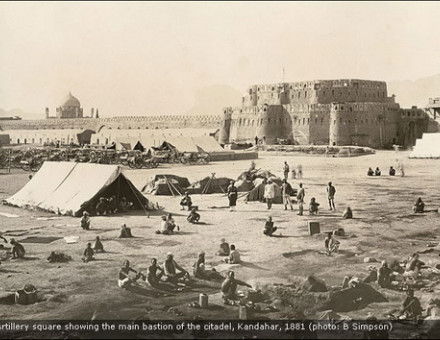
David Loyn, the only reporter with the Taliban when they took Kabul in 1996, takes issue with military historian Thomas Tulenko’s analysis of Britain’s 19th-century invasions of Afghanistan, first published in June 1980.
Mark Bryant on the lesser-known caricature work of the German-born Gerard Hoffnung, one of postwar Britain’s best-loved cartoonists.