

Rostov-on-Don, 1917-1918
From her post as governess to a prosperous middle-class Russian family, writes Stephen Usherwood, a gifted young Englishwoman watched the gradual development of the Revolution.
From her post as governess to a prosperous middle-class Russian family, writes Stephen Usherwood, a gifted young Englishwoman watched the gradual development of the Revolution.
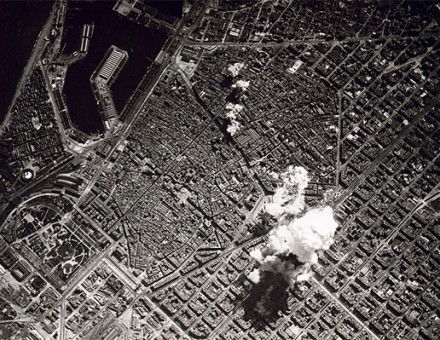
After reading an article first published in History Today in 2004, Jeremy Treglown is struck by how much more complex our view of the Spanish Civil War has become in just a decade.
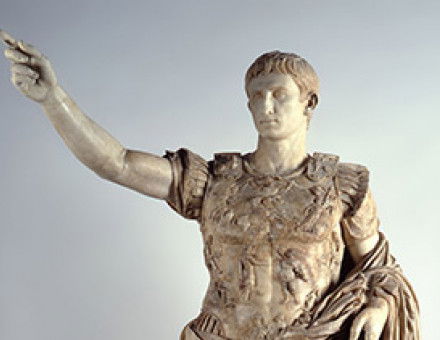
Christopher Smith revels in reappraisals of both Augustus 2,000 years after his death and of Cleopatra, the so-nearly queen of Rome.
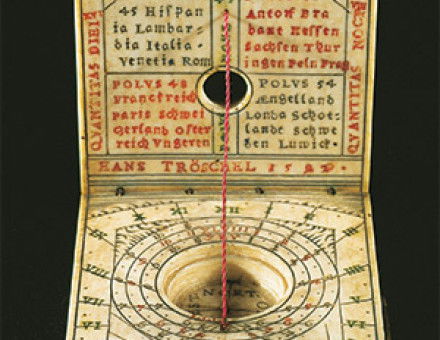
Our conceptions of time have become more accurate but less personal, says Mathew Lyons.
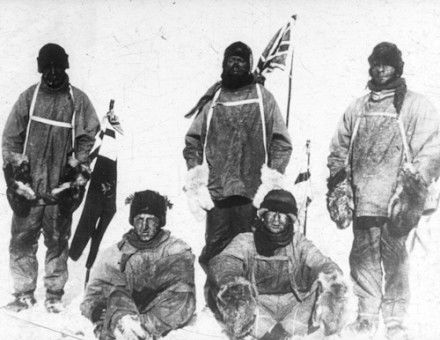
Diaries from Robert Scott’s Terra Nova expedition shed new light on the deaths at the South Pole. Was a scandal silenced in the name of myth-making?
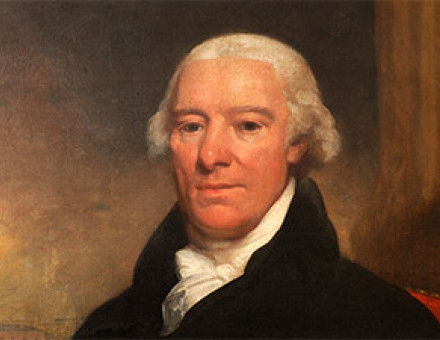
The desire to distinguish between the deserving and undeserving poor is nothing new, says David Filtness. The founder of the Thames Police, Patrick Colquhoun, was both radical and draconian in his approach to crime and Poor Law reform.
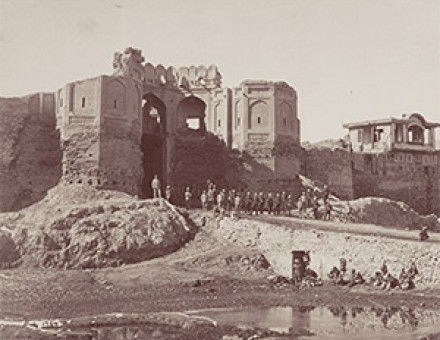
Roger Hudson explains a photographic panorama, taken at the beginning of the Second Afghan War, of the ancient and forbidding fortress of Bala Hissar.
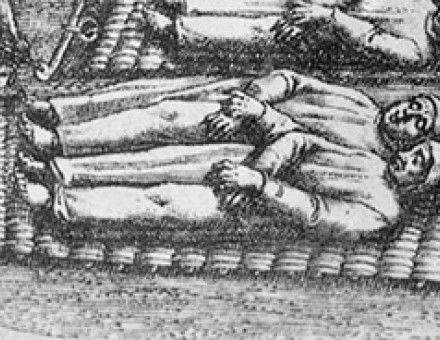
Henry VIII’s masterful administrator and reformer forged an unlikely friendship with a prioress, as Mary C. Erler explains.
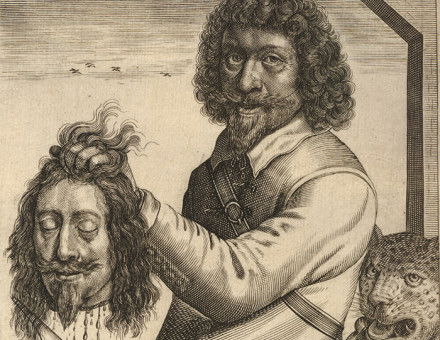
Why do modern Britons still find it so hard to acknowledge their revolutionary past?
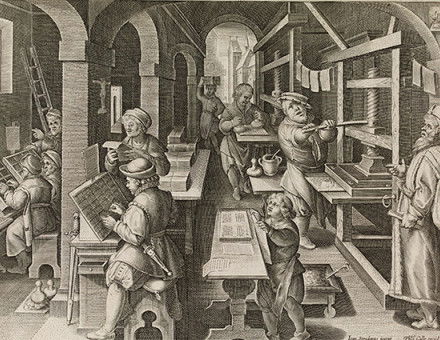
The newspaper was born when publishers in Protestant lands began to produce printed versions of the hand-written bulletins that had provided news for Europe’s elites. It was to prove a difficult birth, as Andrew Pettegree explains.