Social

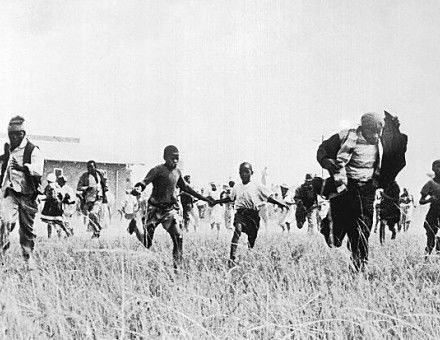
South Africa: Remembering Sharpeville

The killing of 69 black South Africans on March 21st, 1960 was a turning point: the world judged apartheid to be morally bankrupt and the political agitation that ensued would eventually overturn white supremacy.
The First Tourist

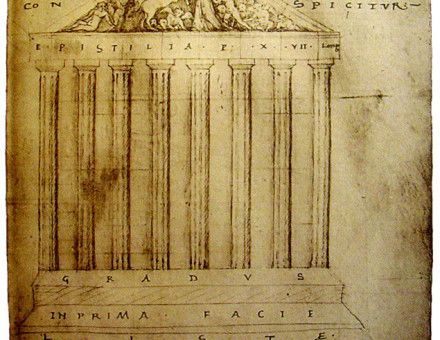
In the 15th century, Cyriacus of Ancona journeyed in search of the Mediterranean’s Classical past. In so doing, he laid the groundwork for the 18th-century Grand Tour and today’s cultural holidays, as Marina Belozerskaya explains.

Captain Jennings Causes Chaos

Early 17th century England saw the emergence of pirates, much romanticised creatures whose lives were often nasty, brutish and short. Adrian Tinniswood examines one such career.

The United Nations in War and Peace

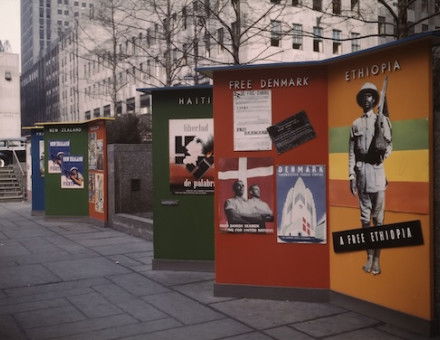
President Roosevelt’s introduction of United Nations Day and his Four Freedoms boosted morale in the fight against fascism and set the stage for a post-war UN.

Making of a Martyr: William of Norwich and the Jews

The murder of a 12-year-old boy in Norwich in 1144 inspired Thomas of Monmouth, a monk from the city's cathedral, to create an anti-semitic account of the incident. His influential work reveals much about life and belief in medieval England, argues Miri Rubin.

Crisis at Central High

John A. Kirk recalls the dramatic events at Little Rock, Arkansas, when a stand-off over the granting of black students access to integrated education brought the civil rights agenda to international attention.

Murder on the Métro

In the years leading up to the Second World War, France was riven by political division as extremes of left and right vied for power. Annette Finley-Croswhite and Gayle K. Brunelle tell the tragic and mysterious story of Laetitia Toureaux, a young woman swept up in the violent passions of the time.

Drink: The British Disease?

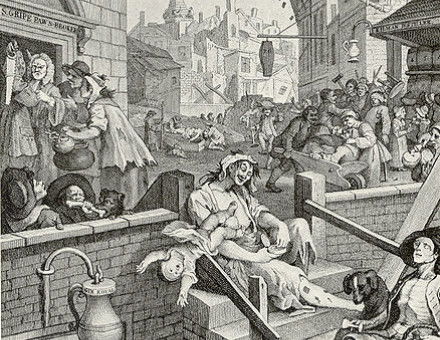
Britain has had a long and sometimes problematic relationship with alcohol. James Nicholls looks back over five centuries to examine the many, often unsuccessful, attempts to reform the nation’s drinking habits.