


Ladakh: Barrier or Entrepot?
An island in a sea of mountains, as Sarah Searight describes it, the Indian region of Ladakh was once a cosmopolitan centre of pilgrimage and trade.
An island in a sea of mountains, as Sarah Searight describes it, the Indian region of Ladakh was once a cosmopolitan centre of pilgrimage and trade.
Chinese Emperors banned the importation of opium, writes M. Foster Farley, but it was smuggled into the country by East Indian traders and led to the Opium War of 1840.
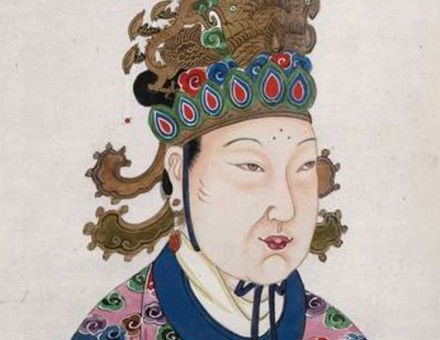
During the seventh century AD a Celestial Emperor’s concubine herself became Empress; in effect, she ruled China for 50 years.
During the forty-one years he spent in China, writes Gerald Morgan, Thomas Francis Wade learned to understand the Chinese mind and culture without being absorbed by it.
Donald J. Senese introduces General Koxinga; the legendary sixteenth century defender of the native Chinese Ming dynasty against the rule of the Manchus.
William Gardener describes how, since the first century A.D. rhubarb was known to the Romans as a panacea for internal ailments, and imported from China.
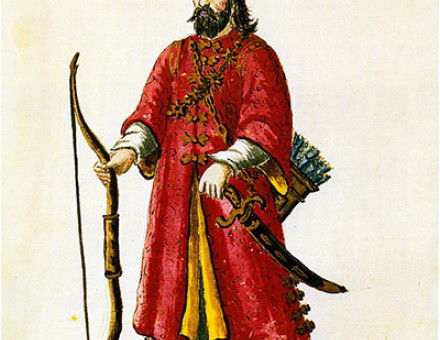
J.A. Boyle describes how the Venetian traveller’s account of his travels sometimes tried his friends’ credulity.
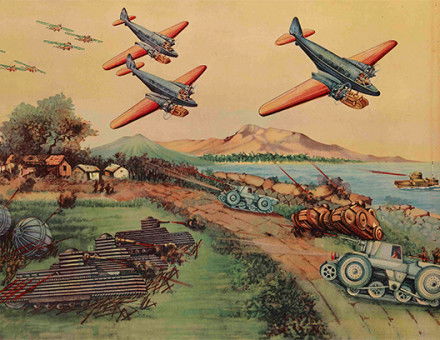
The cold but continuing conflict between China and Japan is the subject of sustained attention from scholars, says Jonathan Fenby.
H. Hookham introduces Augustus F. Lindley, a contemporary and opponent of General Gordon’s, who served the Taipings during their nineteenth century rebellion against the Manchu dynasty.
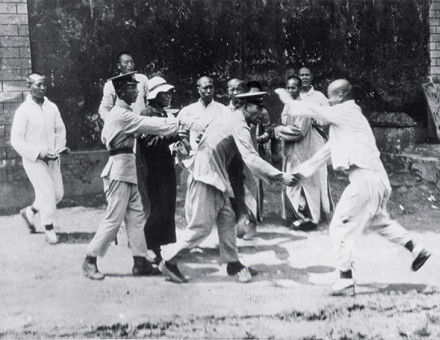
Roger Hudson tells the story behind a moment of violence in 1923 outside China's Forbidden City in Peking.