

Churchill and Black Africa
Roland Quinault examines the career, speeches and writings of Churchill for evidence as to whether or not he was racist and patronizing to black peoples.
Roland Quinault examines the career, speeches and writings of Churchill for evidence as to whether or not he was racist and patronizing to black peoples.
Donald Zec has written the life of his brother, the wartime political cartoonist Philip Zec, to remind the world of his rich collection of cartoons that caught the mood of the British people at war. The following is an extract from the book.
Stuart Burch considers the significance to Norway – both in terms of the past and the present – of the anniversary of 1905, when the country at last won its independence from Sweden.
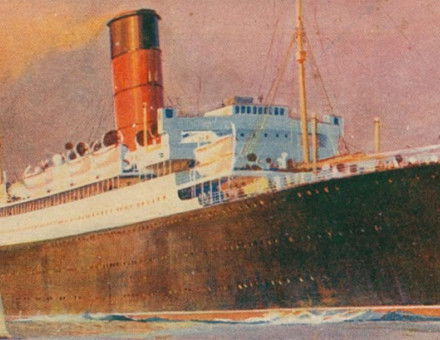
Jonathan Fenby asks why the greatest maritime tragedy ever to affect Britain was hushed up at the time and has remained a virtually untold story.
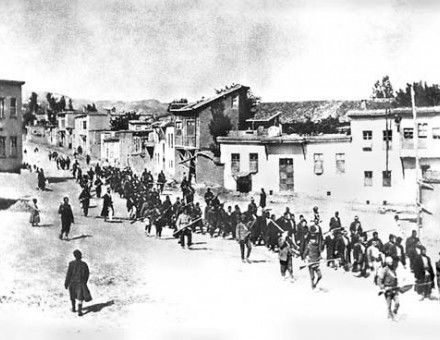
The year 1915 saw the start of the Armenian genocide in Turkey. In his account of the complex historical background to these events Donald Bloxham focuses on the issue of great power involvement.
Bryan Ward-Perkins finds that archaeology offers unarguable evidence for an abrupt ending.
Richard Cavendish charts the life of the Italian nationalist Guiseppe Mazzini.
Ian Bottomley introduces an exhibition which reflects a special moment in Anglo-Japanese relations in the 17th century, echoed today by a unique loan arrangement between the Royal Armouries Museum, Leeds and the Nikko Toshogu Shrine, resting place of the first significant Shogun.
Lawrence Freedman describes how he came to write the official history of the Falklands campaign and tells us what he learned from the experience.
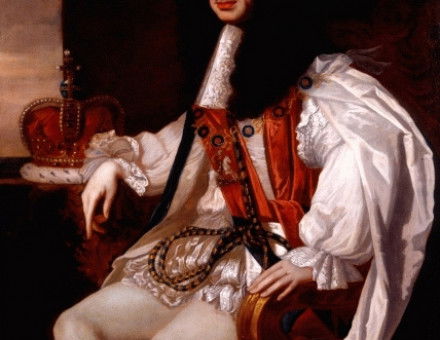
Tim Harris explores the political spin, intolerance and repression that underlay Charles II’s relaxed image, and which led him into a deep crisis in 1678-81 yet also enabled him to survive it.