

When the Congress Wasn’t Dancing
Michael Glover describes how Vienna in 1815 was the scene of endless entertainment for European rulers and their delegations.
Michael Glover describes how Vienna in 1815 was the scene of endless entertainment for European rulers and their delegations.
In the maritime provinces and Quebec, writes Wallace Brown, thousands of Loyalists took refuge and changed the course of Canadian history.
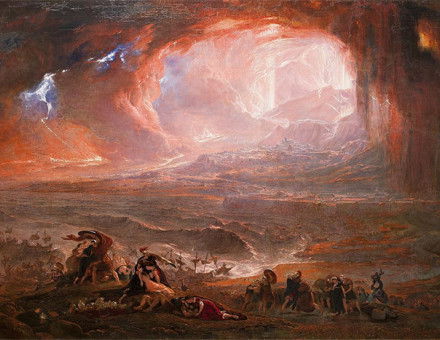
In AD 79, Vesuvius erupted and destroyed Pompeii. Were the giants imprisoned in the earth by Hercules breaking out to take terrible vengeance on gods and men?
Rex Winsbury describes how the attempted Russian Revolution of 1905 was the prologue to greater events in 1917.
In August 1918, writes John Terraine, the German High Command recognized the signs of defeat but four more fighting months passed before the armistice.
David Starkey describes a small-scale, regional, sixteenth century event that, nonetheless, illuminates the age.
Besides the Royal Academy, write Sonia & Vivian Lipman, the Somerset House building housed the Royal Society and the Society of Antiquaries.
The first Doukhobors reached Canada in 1898 and their leader followed in 1902. George Woodcock describes how fanatical sects later arose in their New World settlements.
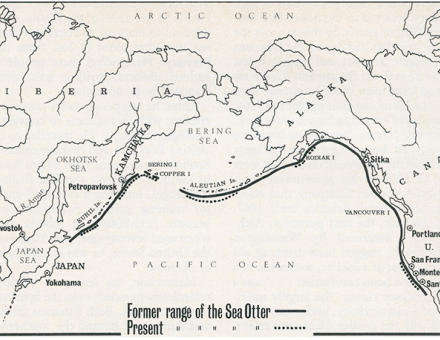
Across the Pacific, writes C.M. Yonge, from northern Japan to the Californian coastline, the relentless hunt for the sea-otter’s precious fur had international consequences.
Andrew Jackson was the first President to be a ‘Westerner’ and, writes Larry Gragg, his inauguration in Washington ‘belonged to the people’.