
Arthur Evans begins to dig in Crete
Richard Cavendish marks the start of a landmark archaeological project, on March 23rd 1900
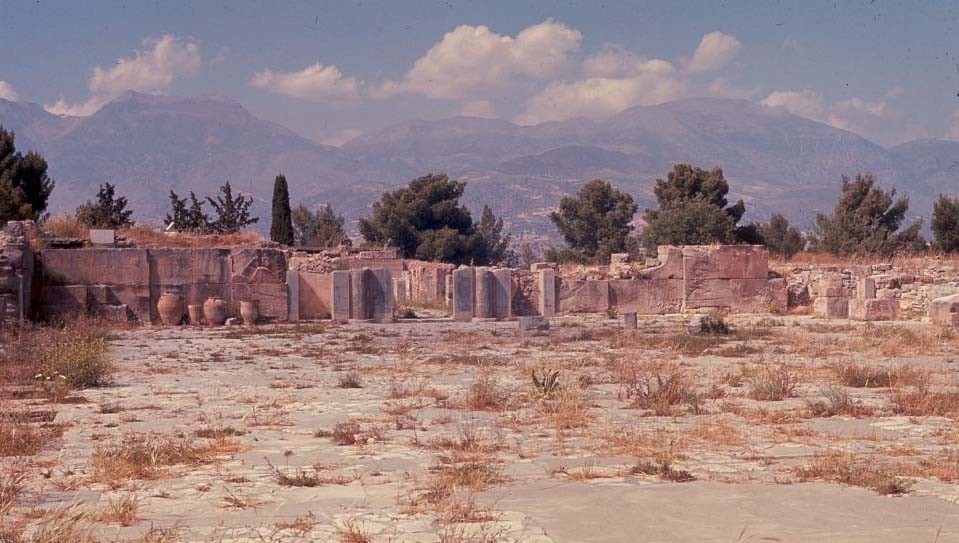
In Greek mythology the island of Crete was the birthplace of the supreme god Zeus, the domain of the revered royal law-giver Minos, and the home of the Minotaur, the monstrous man-headed bull that lurked at the centre of the Cretan labyrinth. The hero Theseus, heir to the throne of Athens, penetrated the labyrinth and killed the Minotaur.
This article is available to History Today online subscribers only. If you are a subscriber, please log in.
Please choose one of these options to access this article:
- Purchase a online subscription and receive unlimited access to our archive for one week, one month or a year
- Purchase a print and website subscription, giving you one year's access to all our content and 12 editions of History Today magazine.
- If you are already a print subscriber, purchase the online archive upgrade for a year's worth of access at a reduced price
Call our Subscriptions department on +44 (0)20 3219 7813 for more information.
If you are logged in but still cannot access the article, please contact us
If you enjoyed this article, you might like these:
- Home
- Location
- Period
- Themes
- Magazine
- Subscribe
- Archive
- Ebooks
- Students
- Blogs
- Contact
Newsletter
From The Current Issue
|
Ed Smith
|
|
Tom Holland
|
|
Jonathan Fenby
|
|
Richard Jones
|
From The Archive
|
The Hudson's Bay Company was one of the central forces moulding the development of the vast tracts of land that today are Canada - but as Barry Gough explains here, the circumstances of its launch in 1670 also reveal much about the commercial forces, personalities and rivalries of Restoration England. |