

The Tudor Nobility
In this assessment of Tudor peers, Matthew Christmas argues that the nobility retained their importance as a class and are fundamental to an understanding of the Tudor period.
In this assessment of Tudor peers, Matthew Christmas argues that the nobility retained their importance as a class and are fundamental to an understanding of the Tudor period.
1930s Shanghai was notoriously populated by characters of dubious political and moral allegiances. Bernard Wasserstein shows how the Japanese used their contacts among the city’s low-life to assist in their invasion and occupation.
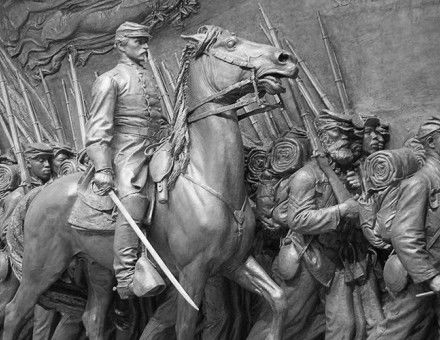
The image of the American Civil War as a ‘white man’s fight’ became the national norm almost as soon as the last shot was fired. Susan-Mary Grant looks at the experience and legacy of the conflict for black Americans.
Controversy has raged about Hitler's military and economic preparations for war. Did he intend a world war or a series of short conflicts? Richard Overy argues that Hitler drew the lesson from 1914-18 not that a major war should be avoided but that Germany should prepare more systematically so that, this time, she would win.
The 1954 lawsuit brought against the US Army by Joseph McCarthy marked a turning point in public attitude towards the ‘Red Scare’ Senator. Thomas Doherty tells how television played a crucial role in his demise.
Women as perpetrators of crime, rather than its victims, were figures of especial fascination and loathing in the Victorian popular press. Judith Knelman delves deeper.
In the aftermath of 1798 the British had to deal with thousands of political prisoners. Michael Durey traces the mixture of decisiveness, pragmatism and clemency with which they were treated.
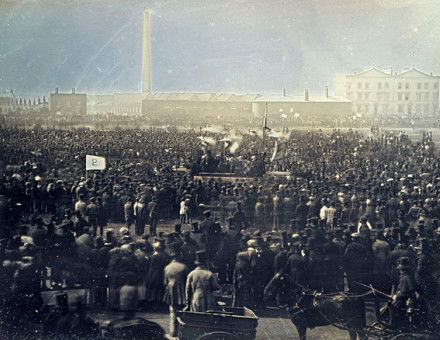
Britain's working-class Chartist movement organised a mass meeting at Kennington Common on April 10th, 1848.
Brian Ward, author of a new book on the links between Rhythm and Blues music and the Civil Rights movement, tells of Martin Luther King’s little-known experiences as a recording artist.