

Francis the First of France: Le Roi Chevalier
J.H.M. Salmon introduces a Machiavellian despot, as well as the gallant leader of a gay and brilliant court. Francis had the good fortune to embody the aspirations of France in his own ambition.
J.H.M. Salmon introduces a Machiavellian despot, as well as the gallant leader of a gay and brilliant court. Francis had the good fortune to embody the aspirations of France in his own ambition.
Save at the Arthurian Court, writes Dorothy Margaret Stuart, such splendid scenes had never before been witnessed as accompanied the marriage of Edward IV’s sister to the Duke of Burgundy.
A.H. Burne analyses the key factors that led to what would be a major victory in the Hundred Years' War.
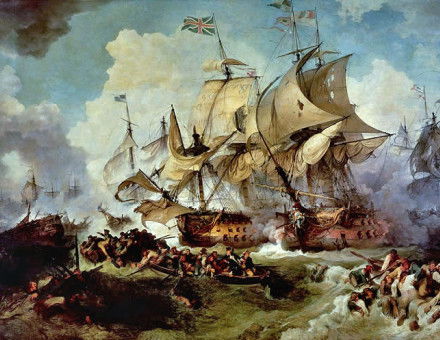
In 1794, at the start of the French Revolutionary Wars, 'the nation wanted a victory'. It was provided by Admiral Howe.
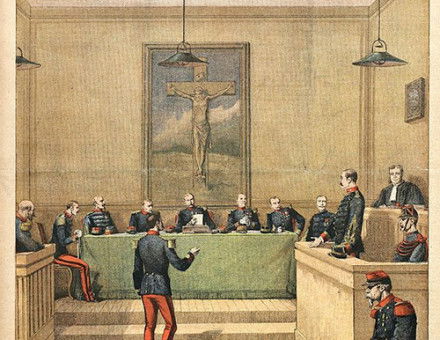
John Roberts sees the Dreyfus Affair not only as the representative of the sordid politics of the Third Republic, but as a belated effect of the French Revolution.
Harold Kurtz continues the story of France's Napoleonic traitor.
Harold Kurtz describes how, ordered by Louis XVIII to arrest Napoleon on his return from Elba in 1815, Marshal Ney went over to his former master.
Roger L. Williams assesses exactly how enlightened a despot was Louis-Napoléon, in light of later European events.
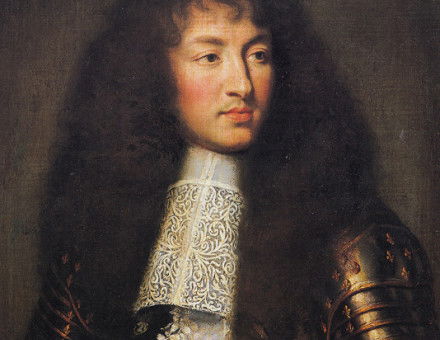
Alfred Cobban traces the ups and downs of the quintessential Bourbon king of France.
Nancy Mitford describes how Louis XV never talked politics out of the Council Chamber. Hunting was his only distraction until Madame de Pompadour introduced him to “plans and designs ... bibelots and stuffs ... gaiety and lightness.”