
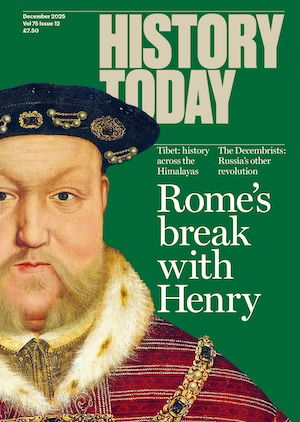

Power and the Early-Tudor Courtier’s House
The houses built by Charles Brandon, Duke of Suffolk, are a reflection of his career under Henry VIII, says Maurice Howard, and the King's manipulation of those who served him.
The houses built by Charles Brandon, Duke of Suffolk, are a reflection of his career under Henry VIII, says Maurice Howard, and the King's manipulation of those who served him.
In 1908 the Olympic movement visited Britain for the first time. Stephen Halliday describes how the British Olympic Association prepared for the Games with barely two years notice.
Geoffrey Tyack remembers the renowned architectural historian who died on December 27th, 2007.
Sue Donnelly introduces the archives of the Campaign for Nuclear Disarmament, and a project to make them accessible to a wider audience.
R. E. Foster explains the young Palmerston’s progress from Tory to Liberal.
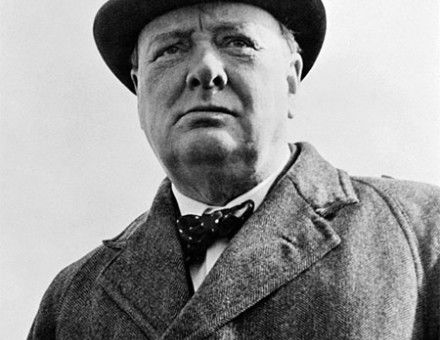
Robert Pearce asks why Labour’s period in office under Clement Attlee came to an end.
Paddy Hartley describes how an interest in the treatment of facial injuries in the First World War led him to develop a new form of sculpture.
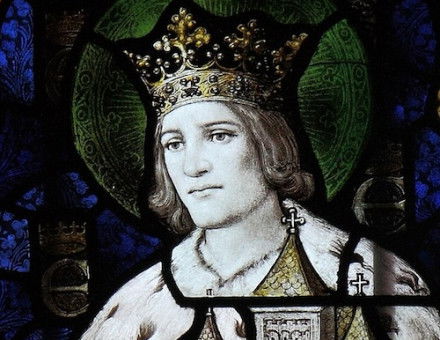
What did Britain and the Britons mean to the Anglo-Saxons, and what did it mean to be their ruler?
Between autumn 1855 and spring 1856, the attitude of Britain’s war leaders underwent bewildering change as their determination to bring the war with Russia to a desirable conclusion was buffeted by doubts about the commitment of the French, and fears about the motives of French policy, as Brian James reveals.
Britain’s concerns over binge drinking are nothing new says Luci Gosling, who describes how the brewing industry united to wreck Asquith’s Licensing Bill of 1908.