
Detecting ‘Death Disguised’
Krista Kesselring describes how coroners in the Early Modern period tried to establish the cause of death in disputed cases.
Krista Kesselring describes how coroners in the Early Modern period tried to establish the cause of death in disputed cases.
Michael Hunter, an authority on the natural philosopher Robert Hooke, describes his excitement at the recent discovery of an unknown manuscript in Hooke’s hand. He explains its significance and why every effort should be made to keep it in Britain.
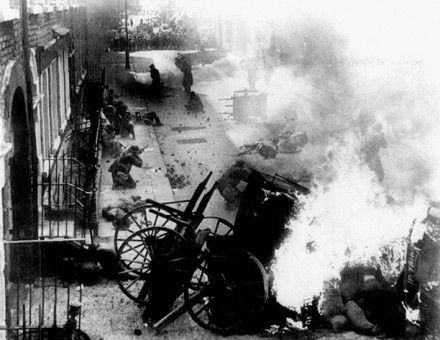
Anthony Fletcher uses the papers of his artistic great-aunt, who, as a young nationalist, wrote an eyewitness account of the Easter Rising, to explore her youthful patriotism and vigorous activism.
Juliet Gardiner reviews the current exhibition at Tate Liverpool that celebrates the British flair for documentary film-making.
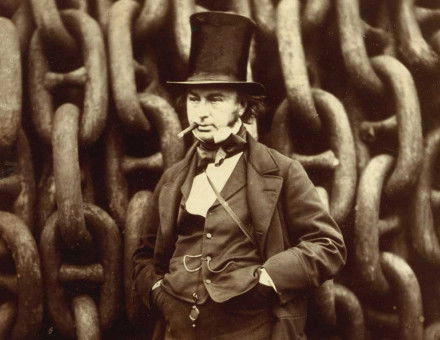
The great Victorian engineer was born on 9th April, 1806.
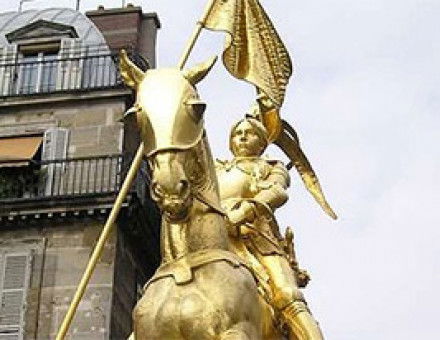
Richard Vinen ponders the political significance of two of France’s most potent female icons and finds there is more to them than meets the eye.
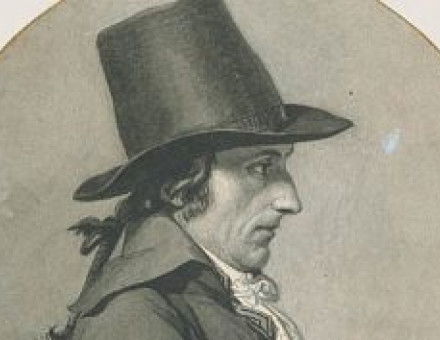
Richard Ballard looks at how events in the opening years of the French Revolution took shape in a town three days’ journey from Paris.
Tim Clancey asks whether American Presidents have exceeded their legitimate powers.
Kevin Jefferys examines a publication of seminal influence on the postwar Labour party.
Russel Tarr shows that there is much more to using video than pressing ‘play’.