
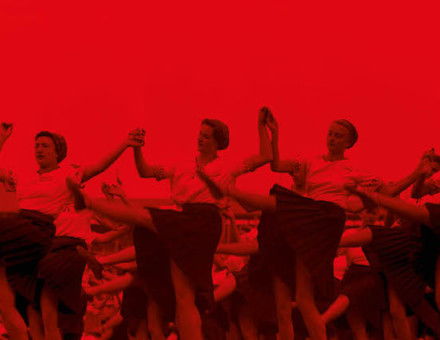
Sokol: An Exercise in Czech Nation-Building
In the late 19th century a new trend captured the Czech people – gymnastics. But sokol was more than just exercise: a healthy body was a healthy nation, and the Czechs wanted independence.
In the late 19th century a new trend captured the Czech people – gymnastics. But sokol was more than just exercise: a healthy body was a healthy nation, and the Czechs wanted independence.
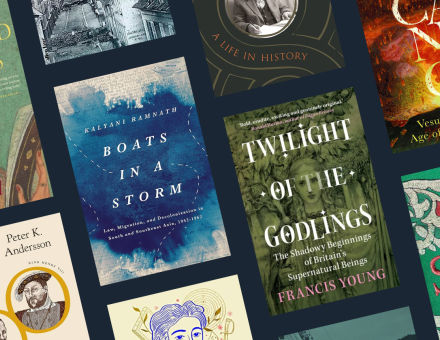
Revolutions and rubles, godlings and fascist symbols, Shakespeare and silk: ten historians choose their favourite new history books of 2023.
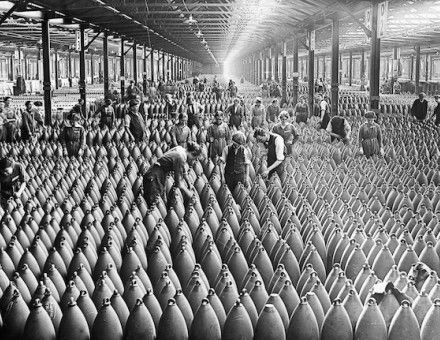
Soldiers on the front line in France and Flanders saw their fight as the only legitimate one. But in Britain, the mobilisation of the domestic workforce was integral to winning the First World War.
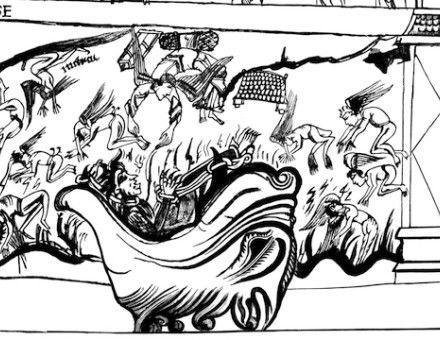
As Anglo-Saxon England faced conquests and apocalypse, Archbishop Wulfstan saw hope for the kingdom in a radical restructuring of society.
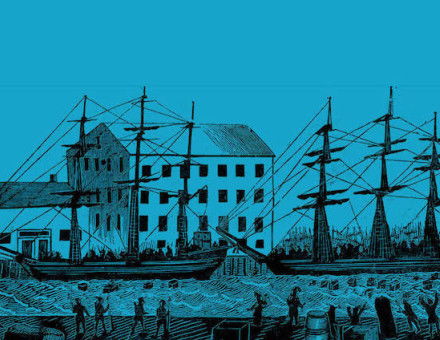
Fifty years separate the Boston Tea Party and the Monroe Doctrine. How did a group of British colonies become a self-proclaimed protector of continents within half a century?
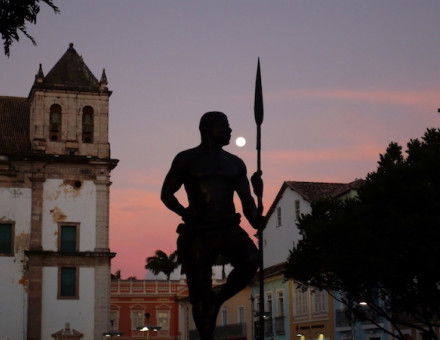
On 20 November 1695, Zambi of Palmares – ruler of an ‘invincible’ community of former slaves in the Brazilian jungle – was killed by the Portuguese.
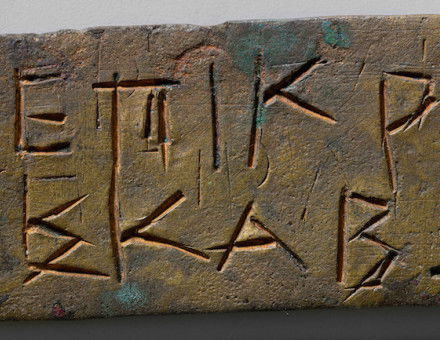
In ancient Greece the ‘least dangerous’ branch of government – the courts – wielded serious political power.
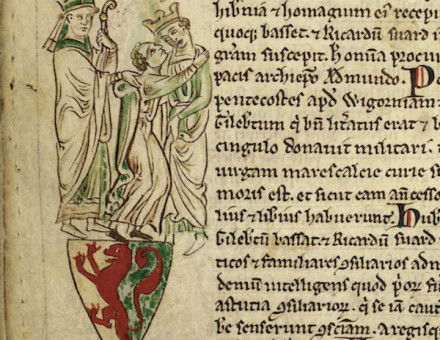
How a vision led Edmund of Abingdon to elevate the role of Medieval teacher to saintly levels.
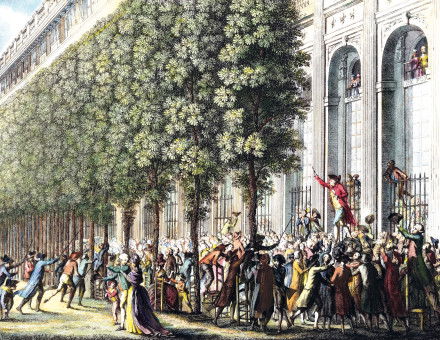
The Revolutionary Temper: Paris, 1748-1789 by Robert Darnton is a sweeping account of events from the Parisian perspective, from disastrous wars to fights for religious toleration.
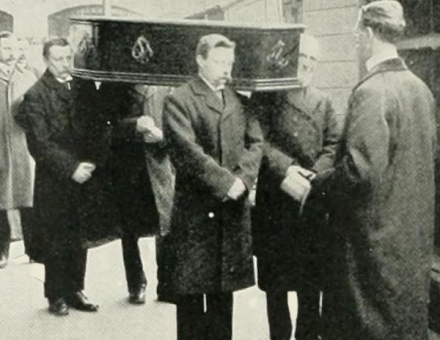
On 13 November 1854, the Victorians combined their love of heavy industry and heavy mourning, with the opening of the London Necropolis Railway.