

The Roman Doctor Will See You Now
Anthea Gerrie explores a remarkable excavation, a Roman surgeon’s house in Rimini.
Anthea Gerrie explores a remarkable excavation, a Roman surgeon’s house in Rimini.
Report by H.F. Ito a Japanese born close to Hiroshima In 1942, now living in France, on a conference held in December 2007 in Nanjing to commemorate the massacre of Chinese citizens by Japanese troops in December 1937.
Denis Judd reviews a title covering the period from the Battle of Yorktown to the handover of Hong Kong.
Caroline Lawrence, author of the popular Roman Mysteries books, explains how the ancient world first grabbed her attention.
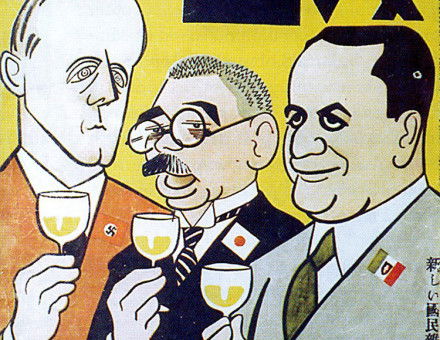
Mark Bryant looks at the cartoons published in imperial Japan during the Second World War.
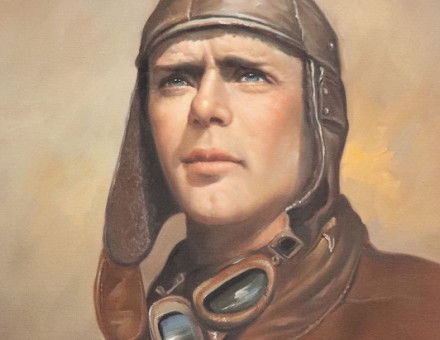
A figurehead for progress before his political disgrace, in later life Lindberg became concerned about the impact of technology on the environment.
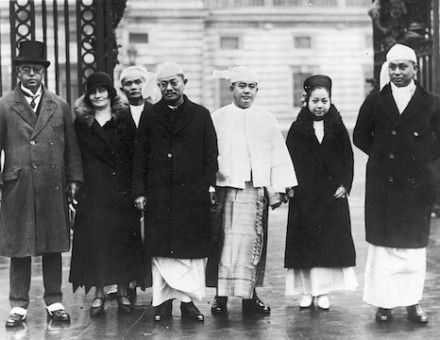
Burma – now Myanmar – became independent in 1948. Could Britain have done more for this unhappy country?
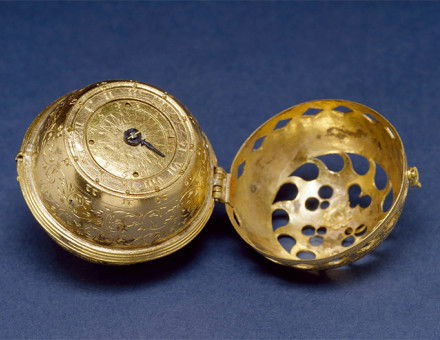
John Styles considers whether the fashion for wearing pocket-watches flourished among working men in the eighteenth century because it was stylish, because they needed to know the time accurately, or for some other reason.
Rosalind Crone introduces a database of readers and reading habits since 1450.
China and Rome were the two great economic superpowers of the Ancient World. Yet their empires were separated by thousands of miles of inhospitable terrain, dramatically reducing the opportunities for direct communication. Raoul McLaughlin investigates.