

Stop on the Exchequer
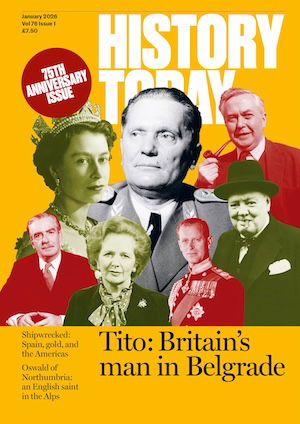
Eynon Smart describes how, when the third Dutch War began in 1672, Charles II and his Ministers were faced with financial needs; a reprieve for the Exchequer was their answer, but it disturbed the country’s banking system.
Eynon Smart describes how, when the third Dutch War began in 1672, Charles II and his Ministers were faced with financial needs; a reprieve for the Exchequer was their answer, but it disturbed the country’s banking system.
Ivan Morris describes how the idea of heroic failure has always exerted a strong hold on the Japanese imagination.
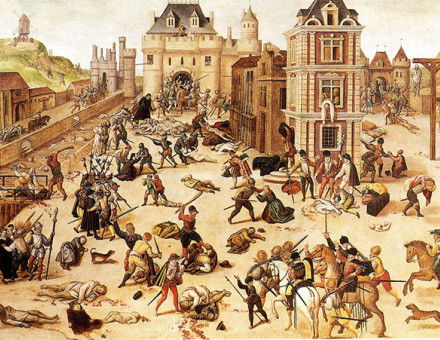
J.H.M. Salmon describes how Voltaire was haunted by the massacre of Huguenots in August 1572, and used his version of the complicated event in his lifelong campaign against prejudice and superstition.
Dennis Proctor describes how a distinguished Scottish soldier in 1775 traced Hannibal’s route across the Alps.
David Weigall describes a period when women emerged in politics as lively petitioners.
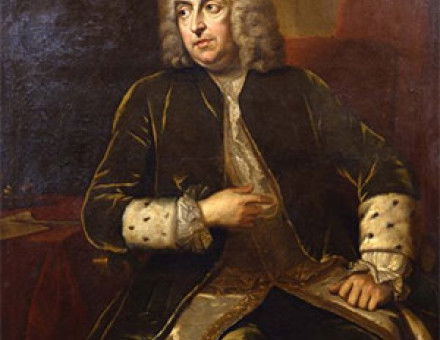
Robert Halsband describes how, in 1731, the Leader of the Opposition and a supporter of Sir Robert Walpole fought a celebrated duel in Green Park, London.
L. Curtis Musgrave describes how willingness among medieval students to battle for their rights’ that, during the course of years, helped to shape the modern university system.
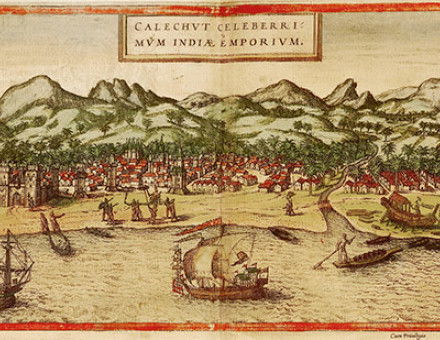
Iris Macfarlane describes how the Malabar coast in western India was the earliest scene of European sea-borne trade.
Bruce Chatwin describes how the dispute between Abel and Cain, the nomadic shepherd and the city-dwelling planter, has continued throughout history.
Alan Haynes profiles a satirist, playwright and man of letters; Aretino led a prodigal and adventurous life in late Renaissance Italy.