
The Somme Battlefield
Peter Furtado on one of the most traumatic places in British military history.
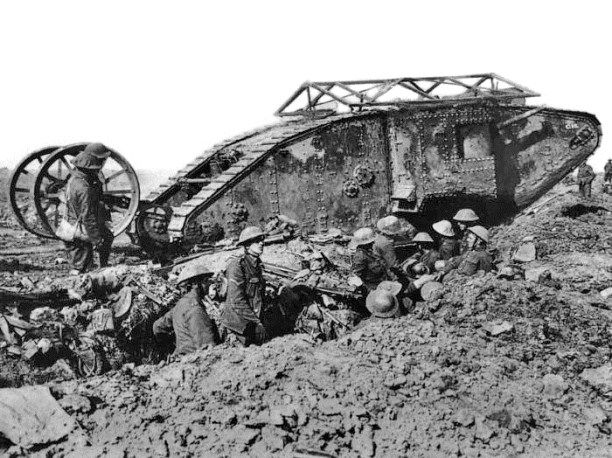 A drive through the smoothly rolling hills of the east of the Somme department of northern France, between the little towns of Albert, Bapaume and Peronne, might seem innocent enough at first sight, but for the profusion of small, quiet and manicured cemeteries. A closer look at the recently ploughed fields reveals ghostly white lines snaking across the brown earth on the hillsides; while here and there, a rusty shell lies by the roadside, placed there by a farmer for safe disposal. The villages look as peaceful as any in France – though there’s little that looks more than a century old. But it wouldn’t be easy even with these clues, to work out just what happened here. This is a countryside that needs to be read – and read about – rather than just looked at.