Penicillin: The Quiet Cultivator
The story of penicillin is well known, as are those Nobel Prize winners who were honoured for their part in its discovery. But one man’s contribution has been overlooked. Malcolm Murfett sets the record straight on the biochemist Norman G. Heatley.
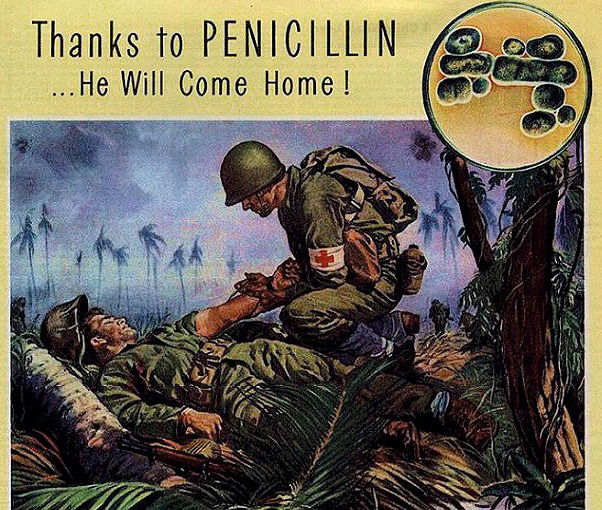 In life, unlike in the movies, the good guys don’t always win. Modest, unassuming and dignified, Norman Heatley (1911-2004), the gifted biochemist who played a prominent role in the development of penicillin, knew exactly what that old cliché meant. His story deserves to be told because he suffered a grave injustice at the hands of the international scientific community, which denied him the glittering prizes bestowed on those deemed responsible for the discovery of one of the most important drugs of all time.