
Cromwell and the Conquest of Jamaica
James Robertson investigates the Lord Protector’s ambitious plans for war with Spain in the Caribbean.
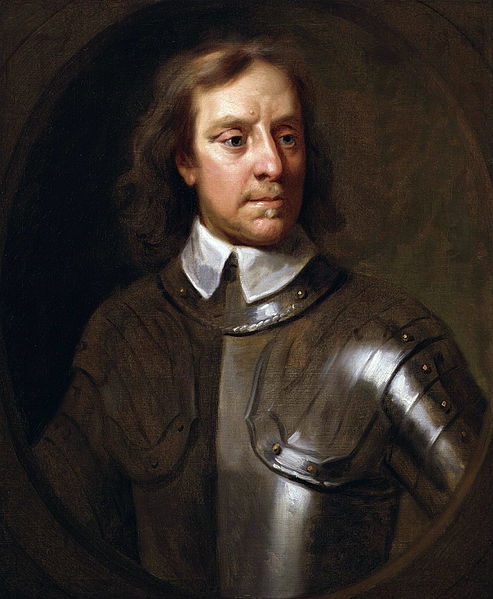 For historians today the only thing worse than an exercise in imperialist aggression is a mishandled exercise in imperialist aggression. May 2005 saw the 350th anniversary of the English conquest of Jamaica, which resulted in Jamaica's transformation by the 'sugar revolution' from a lightly settled pastoral settlement into a slaveoperated imperial profit-centre. These were long-term consequences of Oliver Cromwell's 'Western Design' - his attempt to seize the initiative against Spain in the West Indies; but were they intended?