
Jump to Navigation

Beatrice Webb's 'Other Self'

Print this article   Email this article

Beatrice Webb’s family, the Potters, were upper-middle-class, self-made wealthy business people from the north, her father Richard becoming chairman of the Great Western Railway. Older generations of Potters had been radical dissenters, linking them with the ' Chamberlains of Birmingham. Beatrice was the eighth of nine sisters. Their only brother Dickie arrived four years after Beatrice and cut her out from their mother's affections. When Dickie died, aged two, Mrs Potter transferred her love to the youngest child, Rosy. Here was the setting for 'an unloved youth'; and Beatrice believed that her troubles originated there. Or, as we now see it, here was the seed-ground of her very touching and sympathetic 'Other Self'.
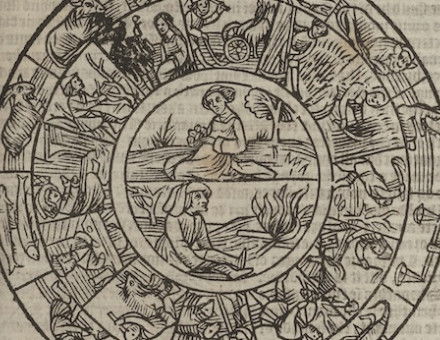
In the first volume of his autobiography, Left Hand Right Hand , Osbert Sitwell adopted the palmist's distinction between what you are inexorably born with - shown in the left hand – and what you make of your life – shown in your right hand. Since Beatrice was an amateur palmist she might like this applied to her. Her brains, rationality, memory, clear-headedness, intellectual curiosity were all in her left palm – literally the Potters' clay. Wish her right she created that 'Other Self, compact of dreams, ambitions, mysticism, self- doubt, empathy, passion. In these diaries the 'Other Self' is often mad or bad, and is reproached by the sensible or better self in biblical language. She called these diaries her 'impersonal confidante', into whose ever-open ear she poured the tale of the woes and wickedness of her 'Other Self:


 This article is available to History Today online subscribers only. If you are a subscriber, please log in.

Please choose one of these options to access this article:

Call our Subscriptions department on +44 (0)20 3219 7813 for more information.

If you are logged in but still cannot access the article, please contact us


About Us | Contact Us | Advertising | Subscriptions | Newsletter | RSS Feeds | Ebooks | Podcast
Copyright 2012 History Today Ltd. All rights reserved.