
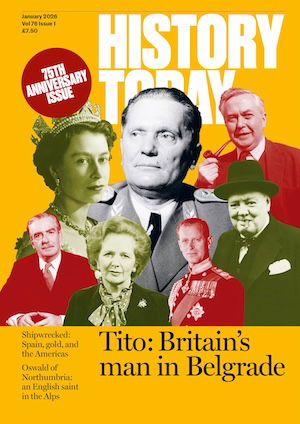
How Has Public History Changed Since 1951?
75 years is a long time in public history: the bridge between academia and the general reader appears to have widened since History Today was launched, but in what ways?
75 years is a long time in public history: the bridge between academia and the general reader appears to have widened since History Today was launched, but in what ways?
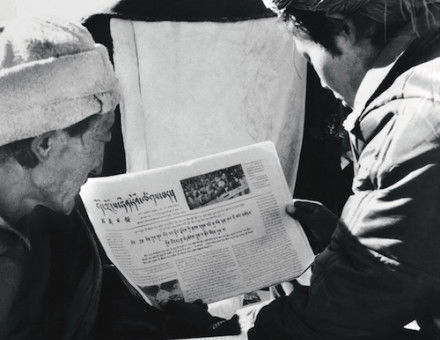
How can historians of Tibet – a region whose history is tightly controlled by the Chinese authorities – gain access to its recent past? Comparing newspapers from either side of the Himalayas might offer a way in.
‘What is the most common misconception about my field? That medieval people were dumber than modern ones.’
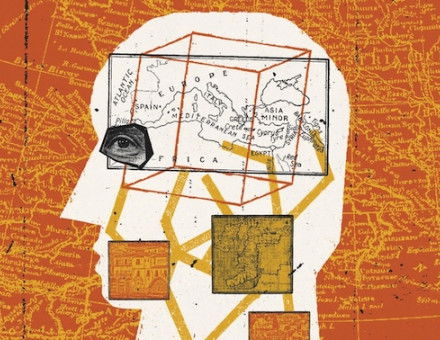
It is 40 years since the death of Fernand Braudel, the historian who sought the perspective of ‘God the Father’.
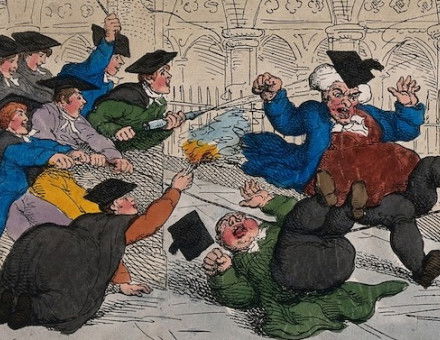
The Indefatigable Asa Briggs: A Biography by Adam Sisman is a detailed portrait of that voluminous chronicler of Victorian things.
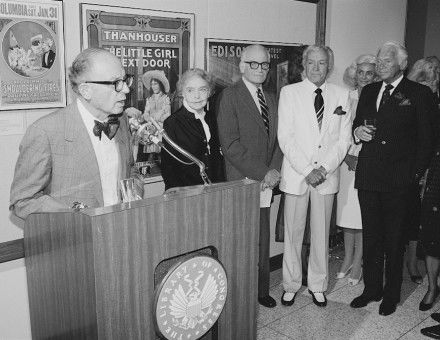
Popularizing the Past: Historians, Publishers, and Readers in Postwar America by Nick Witham explores the industry of popular history from Daniel Boorstin to Howard Zinn.
A valedictory column provides a chance to reflect on a decade grappling with what history is and how it should be written.
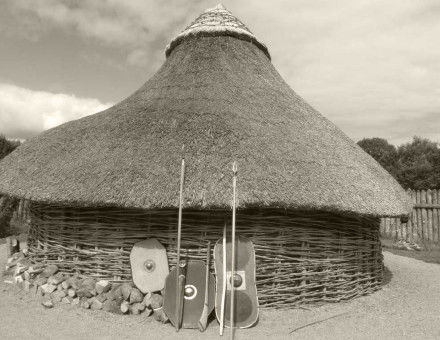
We know less about some periods than others, but the meaning of ‘Dark Age’ is multifarious and often loaded.
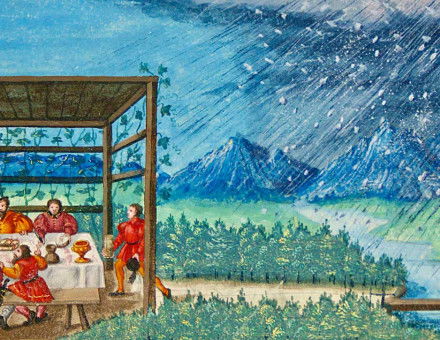
Historians often take creative liberties when setting the scene, but at what point does it become misleading?
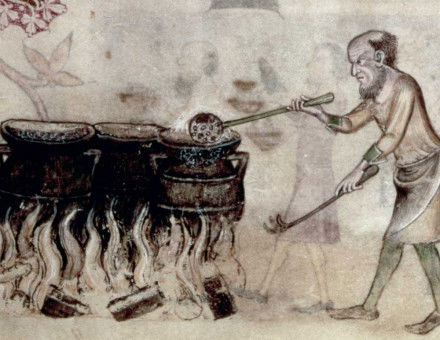
The distant past is not often illustrated with plentiful descriptions of everyday life. Instead, the picture has to be put together from different sources, piece by piece, like a jigsaw. But there are often still gaps, which can be filled with historically informed creativity.