
Bucer, Melanchthon and Zwingli: Erasmus's Protestants
Michael Mullett shows that key Protestant reformers were influenced by Erasmus's Christian Humanism, as well as by Luther's theology.
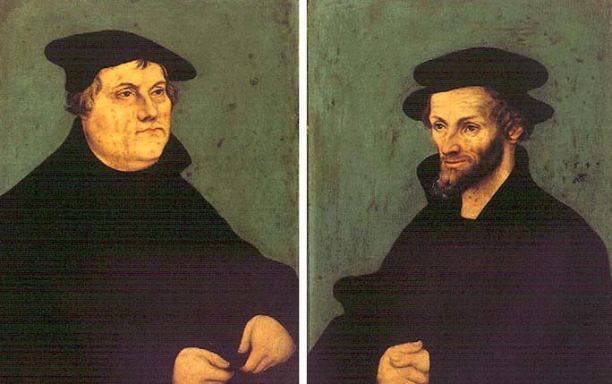 The three figures who make up the subject of this article, the Protestant reformer of the German city of Strassburg, Martin Bucer, Martin Luther’s aide Philipp Melanchthon and the reformer of the Swiss city of Zürich, Huldrych Zwingli, are to be considered from the point of view of their common intellectual provenance. In the background was the cultural phenomenon we know as Renaissance humanism, which included a passion for the literature of ancient Greece and Rome.