
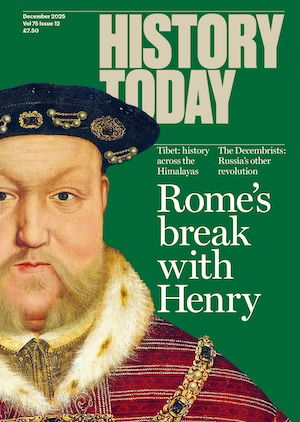

The Tudor Nobility
In this assessment of Tudor peers, Matthew Christmas argues that the nobility retained their importance as a class and are fundamental to an understanding of the Tudor period.
In this assessment of Tudor peers, Matthew Christmas argues that the nobility retained their importance as a class and are fundamental to an understanding of the Tudor period.
Women as perpetrators of crime, rather than its victims, were figures of especial fascination and loathing in the Victorian popular press. Judith Knelman delves deeper.
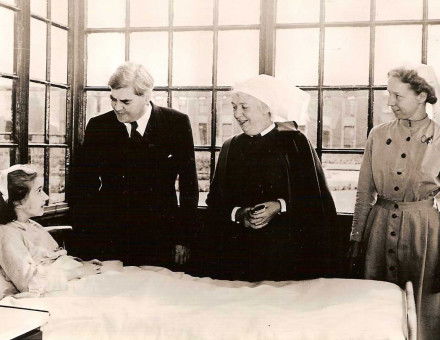
Charles Webster reflects on the achievements and shortcomings of fifty years of the National Health Service.
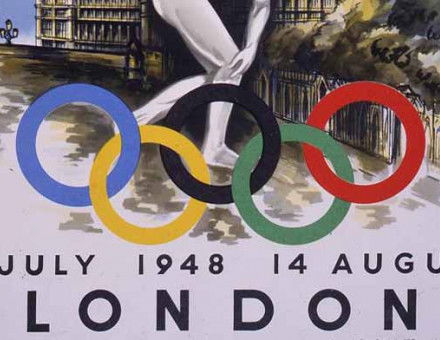
Richard Cavendish remembers the opening of the ‘Austerity Olympics’ on 29 July 1948.
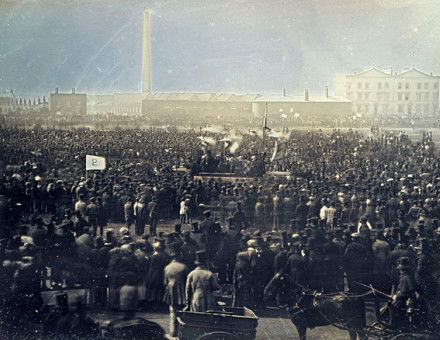
Britain's working-class Chartist movement organised a mass meeting at Kennington Common on April 10th, 1848.
A profile of the issues raised by A level questions on this history topic.
Jeremy Black charts its growth in Victorian Britain.
Clive Emsley argues that nineteenth-century perceptions owed more to media-generated panic than to criminal realities.
Christopher Ray queries the accepted pictures of a reluctant victim of forces beyond her control.
Antony Taylor reveals that Eco-Warriors were active more than a century ago.