
Dental Hygiene: Oral History
In the interests of historical research Lucy Worsley adopted the dental hygiene habits of previous centuries.
Every American schoolchild knows that George Washington, the first US President, wore false teeth made from hippopotamus ivory and cow tooth. During the Revolutionary Wars the capture in 1781 of his letter requesting cleaning tools for his dentures alerted the British forces to his whereabouts and this fact demonstrates how the smallest details of daily life have the capacity to determine the fate of empires. These tiny, seemingly trivial, details of domestic habits can also chart huge changes in society and medical understanding.
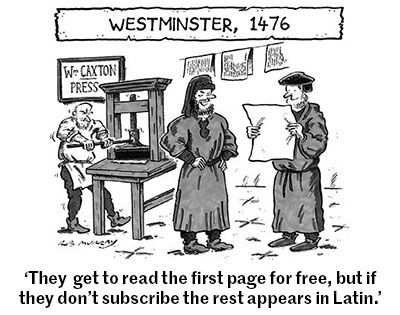
This article is available to History Today online subscribers only. If you are a subscriber, please log in.
Please choose one of these options to access this article:
- Purchase a online subscription and receive unlimited access to our archive for one week, one month or a year
- Purchase a print and website subscription, giving you one year's access to all our content and 12 editions of History Today magazine.
- If you are already a print subscriber, purchase the online archive upgrade for a year's worth of access at a reduced price
Call our Subscriptions department on +44 (0)20 3219 7813 for more information.
If you are logged in but still cannot access the article, please contact us
If you enjoyed this article, you might like these:
- Home
- Location
- Period
- Themes
- Magazine
- Subscribe
- Archive
- Ebooks
- Students
- Blogs
- Contact
Newsletter
From The Current Issue
|
Tom Holland
|
|
Jeffrey Richards
|
|
Ramona Wadi
|
|
Roger Hudson
|
From The Archive
|
The Hudson's Bay Company was one of the central forces moulding the development of the vast tracts of land that today are Canada - but as Barry Gough explains here, the circumstances of its launch in 1670 also reveal much about the commercial forces, personalities and rivalries of Restoration England. |