South Africa: Remembering Sharpeville
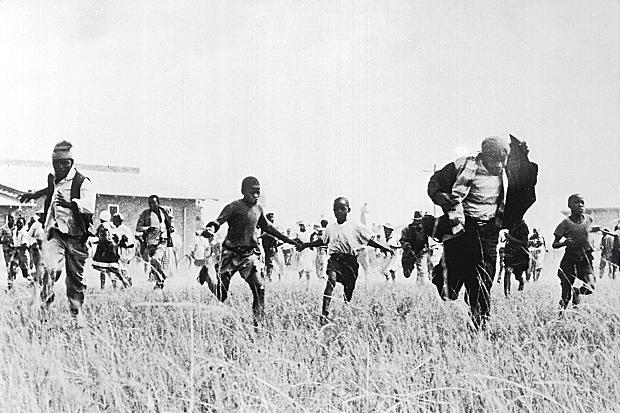
The killing of 69 black South Africans on March 21st, 1960 was a turning point: the world judged apartheid to be morally bankrupt and the political agitation that ensued would eventually overturn white supremacy, writes Gary Baines.
Fifty years ago the name Sharpeville reverberated around the world. Newspaper headlines proclaimed that numerous protesters against South Africa’s notorious pass laws had been killed and many more wounded. Articles were accompanied by images of corpses strewn across an open veld beyond the perimeters of a police station in the black township. Sharpeville became a reference point for the world’s assessment of the apartheid system. And the world was aghast.
This article is available to History Today online subscribers only. If you are a subscriber, please log in.
Please choose one of these options to access this article:
- Purchase a online subscription and receive unlimited access to our archive for one week, one month or a year
- Purchase a print and website subscription, giving you one year's access to all our content and 12 editions of History Today magazine.
- If you are already a print subscriber, purchase the online archive upgrade for a year's worth of access at a reduced price
Call our Subscriptions department on +44 (0)20 3219 7813 for more information.
If you are logged in but still cannot access the article, please contact us
If you enjoyed this article, you might like these:
- Home
- Location
- Period
- Themes
- Magazine
- Subscribe
- Archive
- Ebooks
- Students
- Blogs
- Contact
Newsletter
From The Current Issue
|
Derek Wilson
|
|
Richard Jones
|
|
Luci Gosling
|
|
Tom Holland
|
From The Archive
|
The Hudson's Bay Company was one of the central forces moulding the development of the vast tracts of land that today are Canada - but as Barry Gough explains here, the circumstances of its launch in 1670 also reveal much about the commercial forces, personalities and rivalries of Restoration England. |