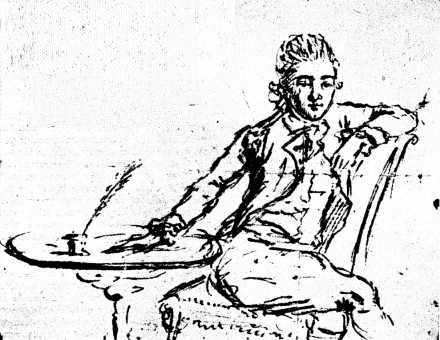

Robert Liston: Second British Minister to the United States
Liston and his wife enjoyed their years in America and, writes Esmond Wright, considered themselves “well employed in the work of conciliation.”
In the War of Independence both sides enlisted negroes, often in the civilian services, but also, though less frequently, as soldiers.
On November 11th, 1791, George Hammond, the first British Minister to the United States, presented his credentials to George Washington. Despite favourable auguries, writes Leslie Reade, his was to prove “a stormy and frustrating mission.”
Arnold Whitridge explains how a group of instinctively conservative, wealthy gentlemen led the American people to an unlikely victory in war and a miraculous nationhood.
The exile of the Loyalists, writes Wallace Brown, represented the removal of the crust of increasing aristocratic pretensions that was forming on Colonial society.
On April 19th, 1775, the fatal clash took place, on the Common of a small Massachusetts town, between British troops and local militia. From this village battle the American War of Independence took its start. John A. Barton queries whether the clash was deliberately organized by “Patriot” leaders in order to provoke an incident, after which there could be no retreat?
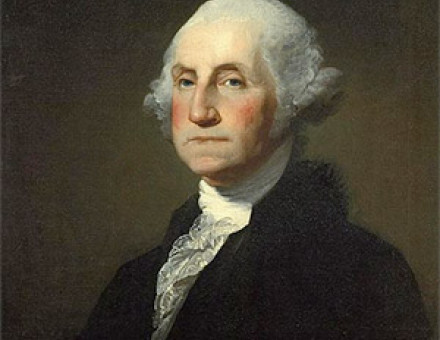
Esmond Wright assesses the gap between the Washington of popular imagination, and established historical fact.
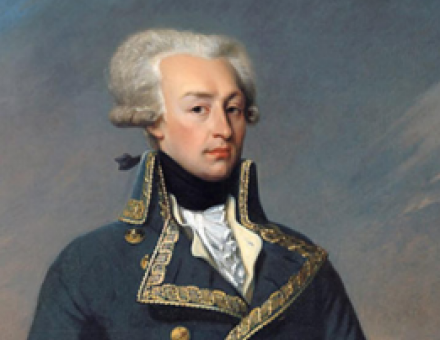
Both Lafayette’s career and the legend bound up with it have had important effects on either side of the Atlantic Ocean.
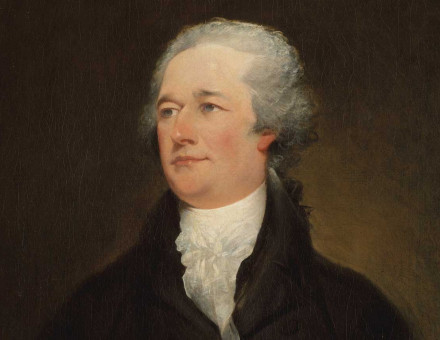
Gifted, energetic, passionate, unruly, Hamilton was perhaps the most creative figure thrown up by the American Revolution, argues Esmond Wright.