Portugal's Impact on Africa
Bartholomew Dias' voyage to the Cape of Good Hope in the late 15th century marked the apex of an extraordinary Portuguese expansion overseas and the start of a fateful European impact on South Africa.
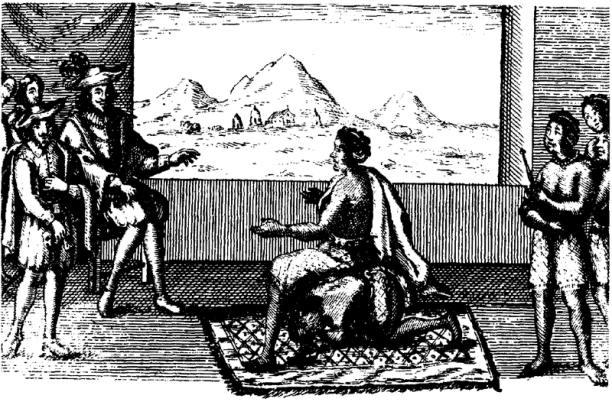 In 1488, Bartholomew Dias, a Portuguese seaman, reached the Cape of Good Hope on the furthest tip of South Africa. This was the last stage of the Portuguese exploration of the Atlantic coast and its islands. It was also the beginning of five centuries of often strained relations between Europe and South Africa. Two questions arise out of this turning point in the world's fortunes. The first is how did Portugal, a relatively remote and impoverished land at the far ends of medieval Europe, become the pioneer of Atlantic colonisation? And secondly, what were the long-term consequences of the opening of South Africa to alien influences?