
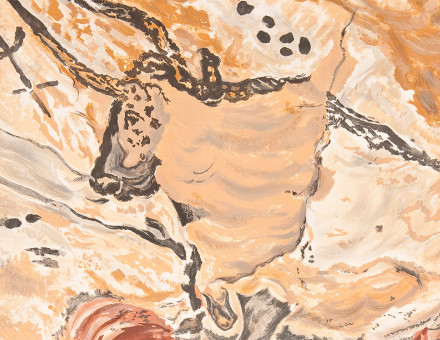
Discovery of the Lascaux Cave Paintings
The Paleolithic illustrations were found on 12 September 1940.
The Paleolithic illustrations were found on 12 September 1940.
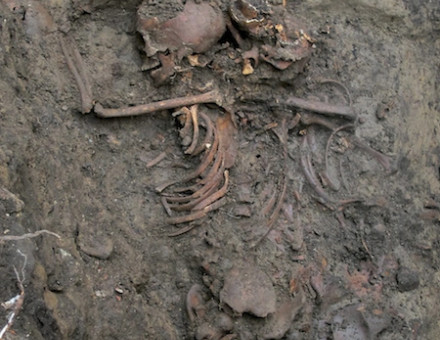
Remains found at Durham University shed new light on Oliver Cromwell's victory at the Battle of Dunbar.
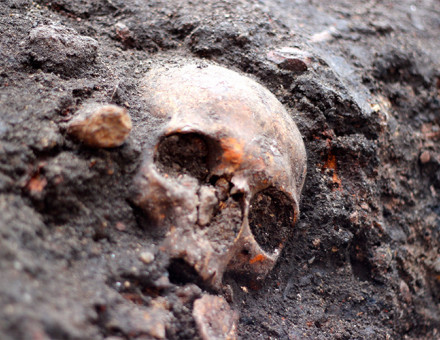
As archaeologists at London's Crossrail site begin the colossal task of excavating 3,000 skeletons, we should pause to consider the hearts, minds and lives of the ‘normal’ people who once inhabited the bones.
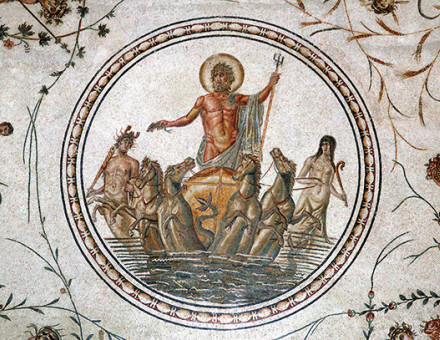
The North African country is considering how best to serve its rich heritage.

Besides administering the sub-continent, British public servants devoted endless time and energy to making a record of Indian archaeological remains. Mildred Archer describes the role of the East India Company from 1785-1858.
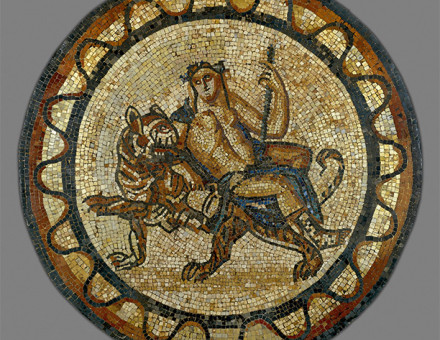
While the advances in technology and manufacturing that took place in Britain during the 18th and 19th centuries have entered the mainstream of history, few know about the industrialisation carried out during the Roman occupation, says Simon Elliott.
Archaeology continues to be an irresistible lure to publishers, broadcasters and the general public. And the last fifteen years have seen an extraordinary number of spectacular finds across the globe and equally spectacular revelations from ever more sophisticated lab techniques. Brian Fagan, who has taught archaeology since the 1960s, reviews the brave new world of modern archaeological discovery.
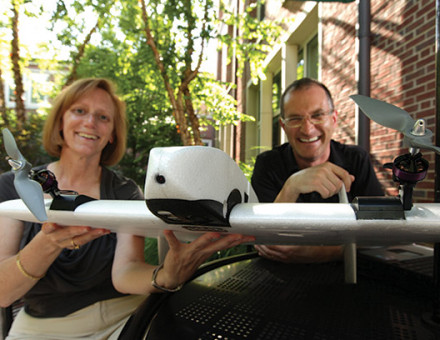
The military potential of unmanned flying ‘drones’ is well known. But what about their use in archaeology?
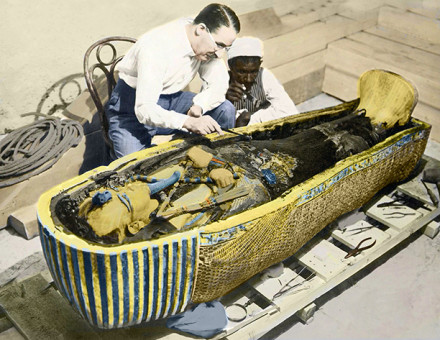
The archaeologist Howard Carter died on 2 March 1939.
Neil Ritchie describes a pastoral race who flourished on Sardinia between 1500 and 500 B.C.. The Nuraghi have left us more than seven thousand finely built towers and a host of magnificent bronze figurines.