1066 and all that Revised
Cultural cataclysm or merely a modification of an Anglo-Saxon status quo? Antonia Gransden looks at views, past and present, of the Norman conquest.
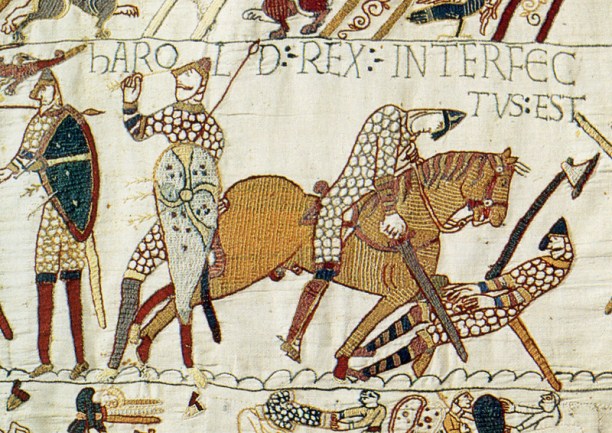 No event in English history has aroused more controversy among historians than the Norman Conquest. From the twelfth century until the present day they have debated its significance. Should we see it as a cataclysm in our history? Or should we accept that, whatever its immediate political consequences, beneath the new power structure England remained virtually unchanged, continuing her progress along lines already drawn in Anglo-Saxon times?