Josef Stalin
Geoffrey Roberts assesses Stalin’s changing reputation, 50 years after his death.
In the pantheon of 20th-century dictators Josef Stalin’s reputation for brutality and criminality is second only to Adolf Hitler’s. Yet when Stalin died in 1953 his demise was widely mourned. In the Soviet Union itself Stalin was a cult figure and his death provoked a massive outpouring of popular grief. Elsewhere in the world emotions were more mixed, but most people still saw him as a relatively benign dictator and, above all, remembered him as ‘Uncle Joe’ – the great war leader who had led his people to victory over Hitler and had saved Europe from Nazi barbarism.
Stalin’s Critics
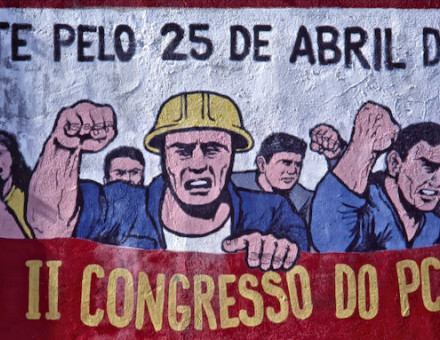
Stalin’s reputation, however, began to nosedive when three years later he was denounced by Nikita Khrushchev, his successor as Soviet leader. At the 20th congress of the Communist Party in 1956 Khrushchev delivered a ‘secret speech’ which indicted Stalin as a repressive, authoritarian leader who was personally responsible for the deaths of many millions of Soviet people.