Volume: 52 Issue: 5
Contents of History Today, May 2002 |
To read any piece marked
, you'll need a subscription to our online archive
|
Andrew Roberts reintroduces us to Churchill’s long-delayed epic work, which was written with the assistance of a former editor of History Today. |
|
Introducing The 19th Century Short Title Catalogue, a recently completed project by Avero Publications. |
|
Thomas Doherty examines a series of conflicts between left-wing artists and movie moguls at the time of Sergei Eisenstein's brief sojourn in Tinseltown in the... |
|
Ruth Ive describes how, as a young woman, her job was to interrupt the wartime conversations between Churchill and Roosevelt. |
|
Daniel Snowman meets the historian of life and living in medieval Britain. |
|
Russell Chamberlin assesses claims for the return of cultural treasures. |
|
May 6th, 1952 |
|
June Purvis explores the career of Emmeline Pankhurst. |
|
David Keys looks at the latest archaeological projects taking place in Sheffield and Liverpool. |
|
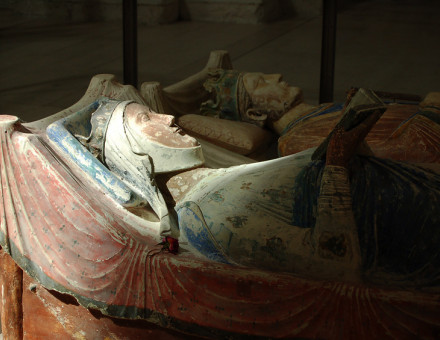
Richard Cavendish marks the anniversary of a royal marriage, on May 18th, 1152. |
|
Tony Aldous surveys a new exhibition on architect Frank Matcham and his work at the Richmond Theatre. |
|
Peter Furtado introduces a special History Today reader evening on the historical dimensions of the British monarchy. |
|
Jeannette Lucraft recovers the identity and reputation of the remarkable Katherine Swynford. |
|
Deborah Mulhearn assesses the debates surrounding the clearance of 400 pre-1919 terraced house in Nelson, Lancashire. |
|
Sarah Tyacke, Keeper of Public Records and Chief Executive of the Public Record Office, makes a personal record of her own abiding interest in history, maps and... |
|
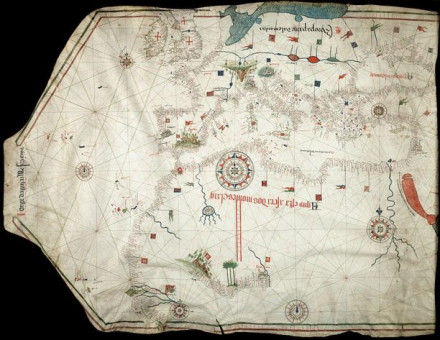
Richard Pflederer evaluates a vital tool of the age of discovery. |
|
May 8th, 1902 |
|
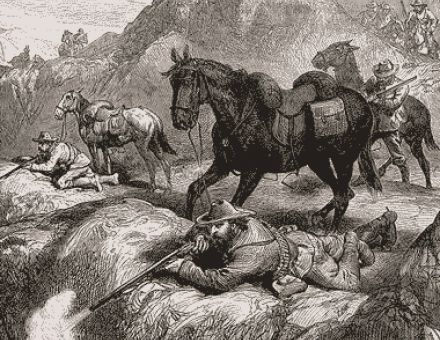
On May 31st, 1902, the Peace of Vereeniging was signed, ending the Second Boer War between Britain and the two Afrikaner republics of Transvaal and the Orange Free... |
|
Leslie Marchant sees the Opium Wars as a philosophical clash between two cultures and two notions of government and society. |
|
Anthony Farrington previews a new exhibition on Asia, Britain and the role of the East India Company. |
|
Margaret Kekewich points to the value of prehistory at school as a key to national unity. |
- Home
- Location
- Period
- Themes
- Magazine
- Subscribe
- Archive
- Ebooks
- Reviews
- Blog
- Contact