The Execution of Charles I
The reasons why Charles I was executed are understood far better than the legacy of his death. Blair Worden considers the enduring and sometimes surprising consequences.
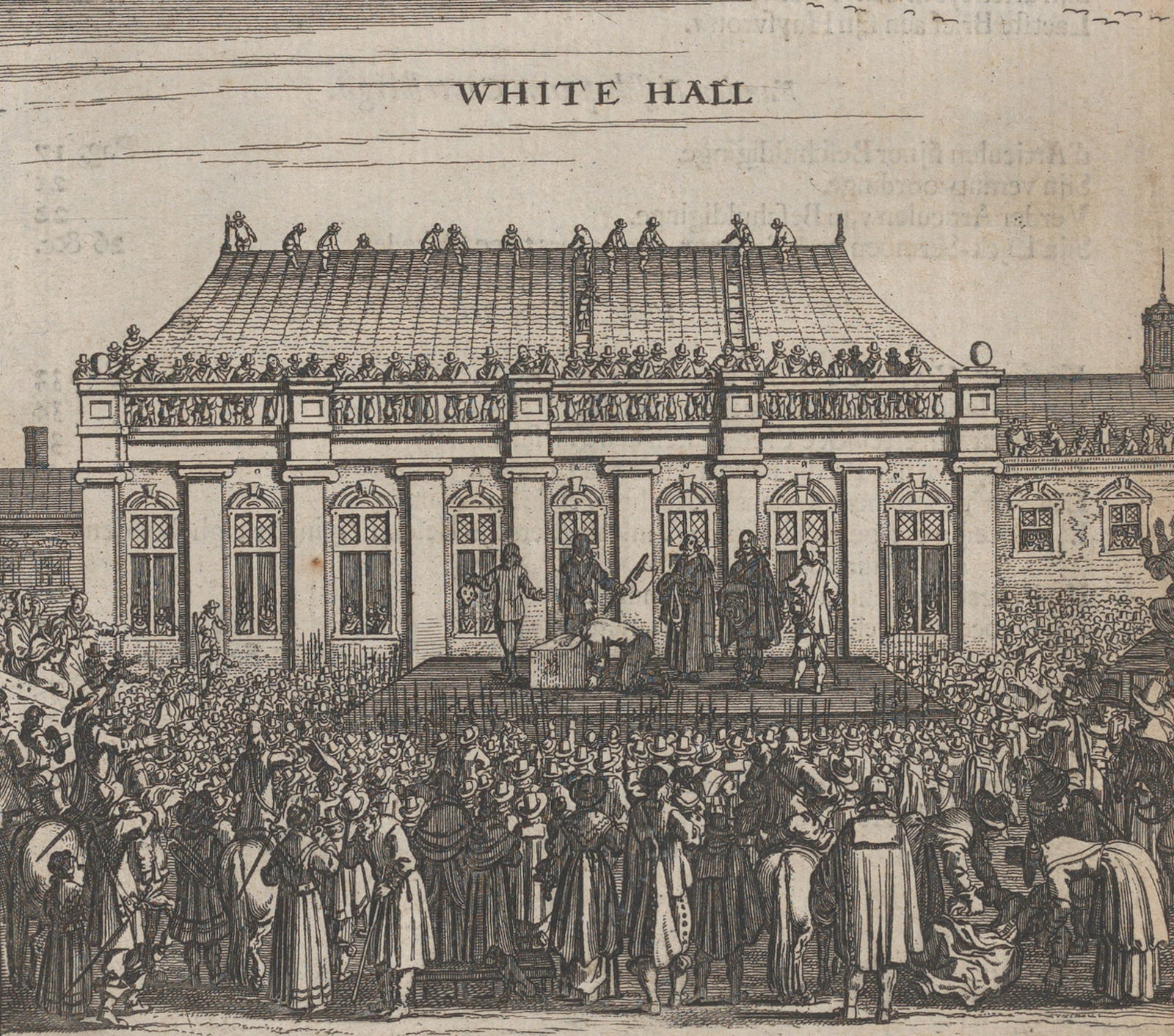
The beheading of Charles I on January 30th, 1649, left an indelible mark on the history of England and on the way that the English think about themselves. It was the climactic moment of the Puritan Revolution and it also changed the whole character of the conflict. Most of the people who had taken up arms against Charles I seven years earlier were opposed to his killing, if not outraged by it. They knew that it would destroy their cause, though they could not have foreseen how lasting the condemnation of the regicide would be.
Charles’s death in front of the Banqueting House in Whitehall on a bitterly cold afternoon transformed him from an impossible king into a royal martyr. The submissive dignity of his bearing on the scaffold was immortalised the following year by the poet Andrew Marvell. In ‘An Horatian Ode Upon Cromwell’s Return to Ireland’, Marvell contrasted Charles’s manner with what he portrayed as the vindictive humbug of the Puritan soldiers when they ‘did clap their bloody hands’ at the king’s death: