

‘The Shah’s Party and the Iranian Revolution That Followed’ review
In The Shah’s Party and the Iranian Revolution That Followed Robert Templer reveals the hubristic high point of the Pahlavi regime’s self-regard.
In The Shah’s Party and the Iranian Revolution That Followed Robert Templer reveals the hubristic high point of the Pahlavi regime’s self-regard.

Would St Augustine have considered the US attack on Iran a just war? The pope and the vice president are split on the matter.

In the 1960s Iran and Israel were on friendly terms. One Iranian writer, Jalal Al-e Ahmad, saw the Jewish state as a model for his country’s future.

In the early 1900s the small but influential Zoroastrian community in India contemplated establishing a colony in Iran. Could the Parsis rely on British support?

What explains the Iranian state’s remarkable soft power in the West? The answer lies in Iran’s rich – and often romanticised – history.

Iranian women have always been present in national uprisings and protests, but this time female activists are leading them.

In March 1722 rebellious Afghan forces laid siege to the Safavid capital. Was the great Iranian empire on the brink of collapse?

Surveying the world of Late Antiquity from its Persian centre.

If tensions between the US and Iran in the Persian Gulf lead to war, it will not be the first time. In 1987 and 1988, the US intervened to protect shipping from Iranian attacks.
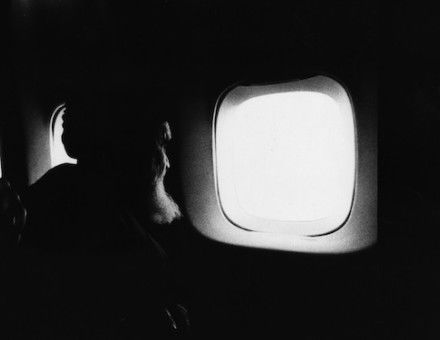
Ayatollah Ruhollah Khomeini became a lightning rod for the mass protests which overthrew the Shah of Iran in 1979, but the causes of the Iranian Revolution lay elsewhere.