The Hatry Group Collapse
Charles Hatry’s fraudulent business empire collapsed on 20 September 1929. It was the biggest crash the London stock market had ever seen.

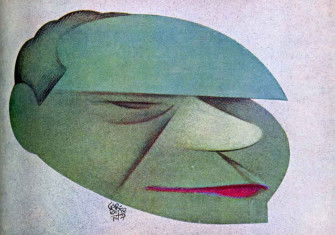
They called themselves ‘Hatry’s Own’ – young bloods, often guardsmen, living high in London before the First World War on money borrowed against the trust funds they stood to inherit. The brains behind the loans was Clarence Hatry, a slight man with a toothbrush moustache – ‘Walter Mitty with money’, as a friend later recalled.
Hatry also sold insurance to Eastern European emigrants sailing for America. The policy paid out if they were turned back, a rare occurrence. In 1914 he snapped up a German insurance group whose shares devalued with the outbreak of war. The press eulogised ‘raven-haired young financiers shooting silver bullets at our enemies’.
He became the king of the deal: mergers, restructures, acquisitions. He rarely met a sector he did not want to consolidate: glass, jute, London buses. He loved to swank. He bought the world’s second largest yacht. He walked the Embankment at night handing out five pound notes to the homeless. But at a time when deals were done by gentlemen with a word and handshake, he wanted most to belong.
Hatry’s first business empire collapsed in 1923 owing nearly £3 million. He bounced back, breaking into the money markets funding infrastructure for the country’s municipal corporations. At its peak, Hatry was handling 90 per cent of the transactions.
In 1929 he set about consolidating the UK’s heavy steel. He needed £8m. He found £4m in bridging finance from Lord Bearsted. Then came the general election and a Labour government. The stock market wobbled. Hatry visited Bearsted. ‘I presume’, he said, ‘that the political situation will make no difference to your agreement to supply the £4m bridging loan.’ ‘What agreement?’ Bearsted said.
Humiliated, Hatry ordered extra municipal security certificates to be printed and pocketed the cash borrowed against them. It was fraud. And it wasn’t enough.
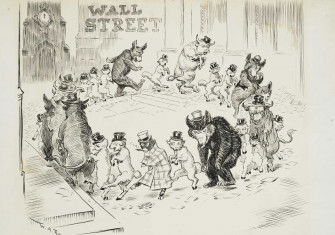
The collapse, when it came on 20 September, was the biggest the London market had ever known. Investors lost £15 million. The shock waves were felt as far way as San Francisco. Some blame Hatry for the Wall Street Crash.
Hatry was sentenced to 15 years. When he died in 1965 he was buying up milk bars, still hoping to restore his fortunes.