The Private Side of German Reunification
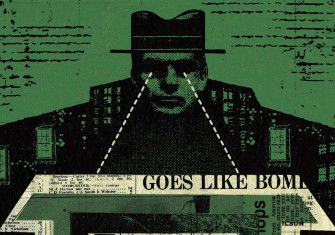
The fall of the Berlin Wall reunited Germany, but also forced East Germans to confront the secrets and compromises of life under the Stasi.

In 1985 the prominent American sociologist Richard L. Merritt considered the possible effects of future reunification on the long-divided city of Berlin:
If the city is politically amalgamated on the basis of new international agreements, it will be fairly easy to rebuild a unified municipal government, and with time it will be possible to construct the links to tie together divided water and sewage systems, streets and subway lines, and the like. More difficult to reconstruct will be the sentimental ties of community. Reunification in the year, say, 2000 will come more than a half a century after the city’s political division and almost 40 years after the appearance of the Wall. By then there will be very few Berliners who will have a vivid memory of what it was like before 1945 and fewer still who will have any active contacts on the other side of the city… Rebuilding a common set of expectations, demands and identifications among Berliners will doubtless be a very slow process, quite possibly slower than that which had forced them apart in the first place.