The Decline of the Carolingians
The Carolingian Empire was consolidated by one of Europe’s most celebrated kings, but Charlemagne’s death meant that decline was inevitable.

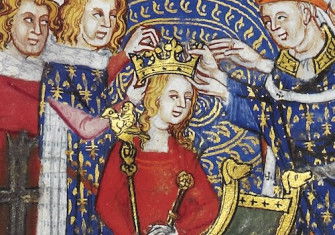
The Carolingians are often celebrated as one of the most successful dynasties of Europe’s early Middle Ages. Three centuries after the fall of the Western Roman Empire, the family’s relentless military success and powerful partnership with the Church saw them revive imperial authority in their own image. At their height, they ruled lands from the North Sea to the Mediterranean. They stood at the forefront of efforts to revitalise culture and learning while promoting spiritual discipline. Their deeds – and especially those of Charlemagne, crowned emperor by the pope in Rome on Christmas Day 800 – supplied rich material for the foundation legends of many modern European nations and ideals.